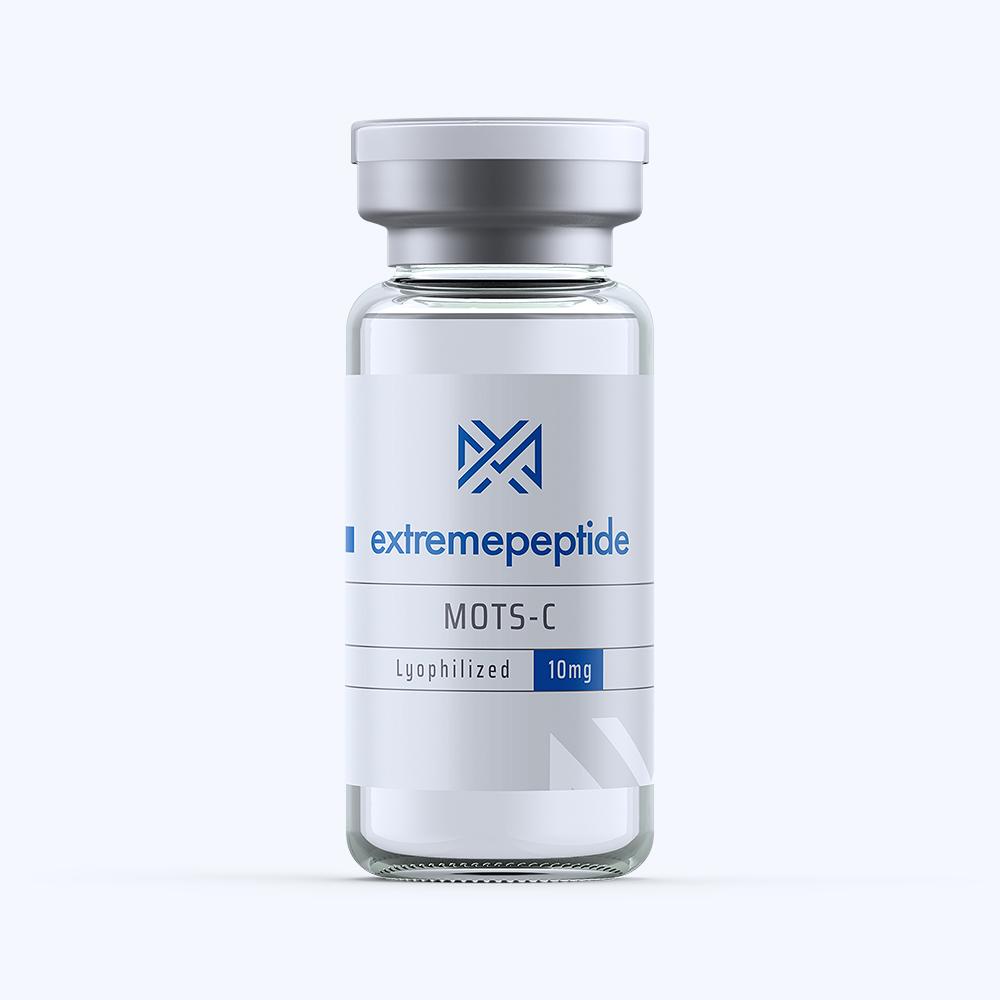
MOTS-c: The Mitochondrial Peptide Revolutionizing Metabolic Health
Introduction to MOTS-c
MOTS-c (Mitochondrial Open Reading Frame of the 12S rRNA-c) is a naturally occurring peptide encoded within mitochondrial DNA. Unlike most proteins and peptides that originate from nuclear DNA, MOTS-c is produced by the mitochondria, the cellular structures responsible for energy production. Since its discovery, MOTS-c has attracted significant attention in the fields of metabolic health, longevity research, exercise science, and cellular biology.
Researchers have identified MOTS-c as a key regulator of energy metabolism, glucose utilization, and cellular stress responses. Its ability to influence how the body processes nutrients has positioned it as a promising target for future therapeutic applications related to obesity, insulin resistance, and age-related metabolic disorders.
What Is MOTS-c and How Does It Work?
The Science Behind MOTS-c
MOTS-c is classified as a mitochondrial-derived peptide (MDP), a group of bioactive molecules that act as communication signals between mitochondria and the cell nucleus. This communication helps cells adapt to environmental and metabolic stress.
When the body experiences metabolic challenges such as fasting, exercise, or nutrient imbalance, MOTS-c can move into the cell nucleus and activate genes involved in energy regulation. This process helps improve metabolic flexibility, allowing cells to efficiently switch between different energy sources.
Key Biological Functions
MOTS-c plays several important roles in maintaining metabolic balance:
- Enhances glucose uptake by cells
- Improves insulin sensitivity
- Supports healthy energy production
- Regulates metabolic stress responses
- Promotes cellular adaptation during exercise
- Contributes to overall mitochondrial function
These mechanisms make MOTS-c an exciting subject for researchers investigating ways to improve metabolic health and healthy aging.
Potential Benefits of MOTS-c
1. Improved Metabolic Health
One of the most studied aspects of MOTS-c is its influence on metabolism. Research suggests that MOTS-c may help regulate blood sugar levels and improve insulin responsiveness. This has led scientists to explore its potential role in managing metabolic conditions associated with obesity and type 2 diabetes.
2. Enhanced Exercise Performance
Studies indicate that MOTS-c may mimic some of the beneficial effects of physical exercise at the cellular level. By promoting efficient energy utilization and increasing metabolic adaptation, MOTS-c could support endurance, physical performance, and recovery.
Athletes and fitness researchers are particularly interested in how MOTS-c influences skeletal muscle function and exercise capacity.
3. Healthy Aging and Longevity
As people age, mitochondrial function naturally declines. This decline can contribute to reduced energy production, increased oxidative stress, and various age-related health challenges.
Researchers believe MOTS-c may help counteract some of these effects by supporting mitochondrial health and cellular resilience. Although human studies are still developing, early findings suggest that MOTS-c could play a role in promoting healthier aging.
4. Cellular Stress Protection
Cells constantly face environmental and metabolic stress. MOTS-c appears to activate protective pathways that help cells adapt and survive under challenging conditions. This protective response may contribute to better overall cellular function and long-term health.
Current Research and Future Applications
Ongoing Scientific Investigations
MOTS-c remains an active area of biomedical research. Scientists are examining its potential applications in:
- Metabolic syndrome management
- Insulin resistance treatment
- Obesity research
- Age-related health optimization
- Exercise physiology
- Mitochondrial dysfunction disorders
While preclinical studies have produced promising results, more large-scale human clinical trials are needed to fully understand its safety, effectiveness, and long-term impact.
The Future of Mitochondrial Medicine
The discovery of MOTS-c has expanded scientific understanding of how mitochondria influence overall health. Rather than serving solely as energy-producing structures, mitochondria are now recognized as important signaling centers that regulate metabolism, aging, and cellular adaptation.
As mitochondrial medicine continues to evolve, MOTS-c may become an important component of future therapies designed to improve metabolic function and enhance quality of life.
Conclusion
MOTS-c represents one of the most exciting developments in modern metabolic and mitochondrial research. As a naturally occurring mitochondrial-derived peptide, it plays a crucial role in regulating energy balance, glucose metabolism, exercise adaptation, and cellular stress responses.
Although research is still ongoing, the growing body of evidence suggests that MOTS-c may have significant implications for metabolic health, healthy aging, and future therapeutic innovation. Its unique ability to bridge mitochondrial communication and cellular regulation makes it a promising focus for scientists seeking new solutions to some of today’s most common metabolic challenges.