Tesamorelin: A Comprehensive Guide to Benefits, Uses, and Clinical Applications
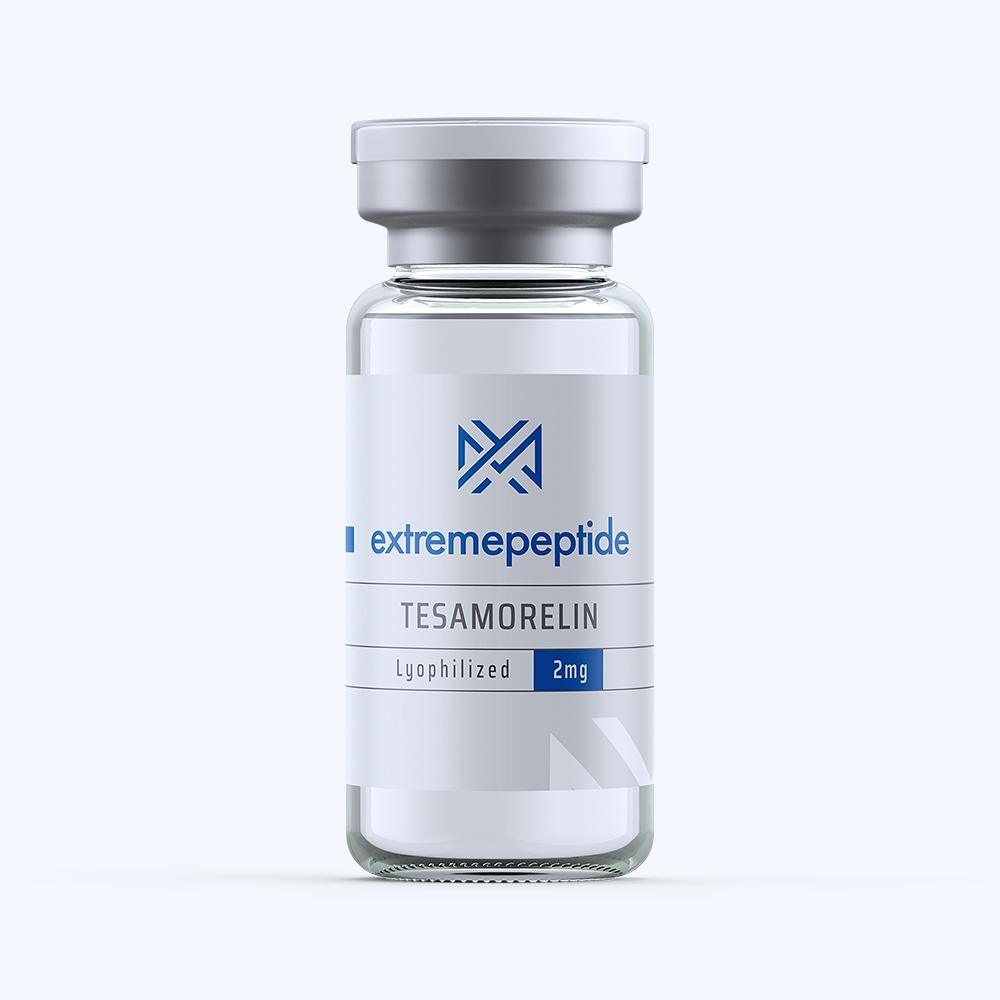
Tesamorelin is a synthetic growth hormone-releasing hormone (GHRH) analog designed to stimulate the body’s natural production of growth hormone. Originally developed for specific medical applications, Tesamorelin has gained significant attention in the healthcare and wellness sectors due to its potential role in reducing excess abdominal fat, supporting metabolic health, and improving body composition. As research continues to expand, Tesamorelin remains an important therapeutic option for individuals seeking medically supervised treatment for conditions associated with visceral adipose tissue accumulation.
H2: What Is Tesamorelin?
Tesamorelin is a laboratory-engineered peptide that mimics the action of natural growth hormone-releasing hormone. By binding to receptors in the pituitary gland, it encourages the release of endogenous growth hormone, which subsequently increases insulin-like growth factor 1 (IGF-1) levels. Unlike direct growth hormone administration, Tesamorelin works by enhancing the body’s physiological hormone production process.
This peptide has been extensively studied for its ability to reduce visceral fat, particularly in individuals experiencing abnormal fat accumulation. Its mechanism of action focuses on regulating metabolic pathways while maintaining a more natural hormonal balance. Because of these characteristics, Tesamorelin has become a subject of interest among healthcare professionals, researchers, and patients seeking advanced therapeutic solutions.
H3: Key Benefits of Tesamorelin
Tesamorelin offers several potential benefits when used under appropriate medical supervision. One of its most recognized advantages is its ability to reduce visceral adipose tissue, the deep abdominal fat associated with various metabolic risks. Excess visceral fat has been linked to cardiovascular concerns, insulin resistance, and other health complications.
Additional potential benefits of Tesamorelin may include:
- Reduction of excess abdominal fat.
- Support for healthy body composition.
- Increased natural growth hormone production.
- Enhanced metabolic function.
- Improved energy levels and overall well-being.
- Potential support for cognitive and cardiovascular health through ongoing research.
These benefits have contributed to the growing interest in Tesamorelin within both clinical and research settings. However, treatment outcomes may vary depending on individual health status, lifestyle factors, and adherence to medical recommendations.
H4: Clinical Uses, Safety Considerations, and Future Outlook
Tesamorelin has primarily been utilized in clinical settings where reducing excess visceral fat is an important treatment objective. Healthcare providers may incorporate Tesamorelin into comprehensive management strategies that include nutrition, physical activity, and ongoing monitoring. Its targeted mechanism makes it a valuable option for patients who require specialized interventions to address metabolic and body composition challenges.
As with any therapeutic peptide, safety and professional oversight are essential. Patients should undergo appropriate medical evaluation before initiating treatment. Healthcare providers typically monitor hormone levels, metabolic markers, and overall response to therapy to ensure optimal outcomes. Potential side effects can occur and should be discussed with a qualified medical professional prior to treatment.
The future of Tesamorelin research continues to be promising. Scientists are exploring its broader impact on metabolic health, body composition optimization, and related physiological processes. Ongoing clinical studies may provide further insights into additional therapeutic applications and long-term outcomes.
In conclusion, Tesamorelin represents an innovative peptide therapy that works by stimulating natural growth hormone release. Its ability to support reductions in visceral fat and improve metabolic health has positioned it as a valuable option in specific medical contexts. As scientific understanding evolves, Tesamorelin is likely to remain an important area of interest for healthcare professionals and researchers focused on advancing evidence-based therapeutic solutions.