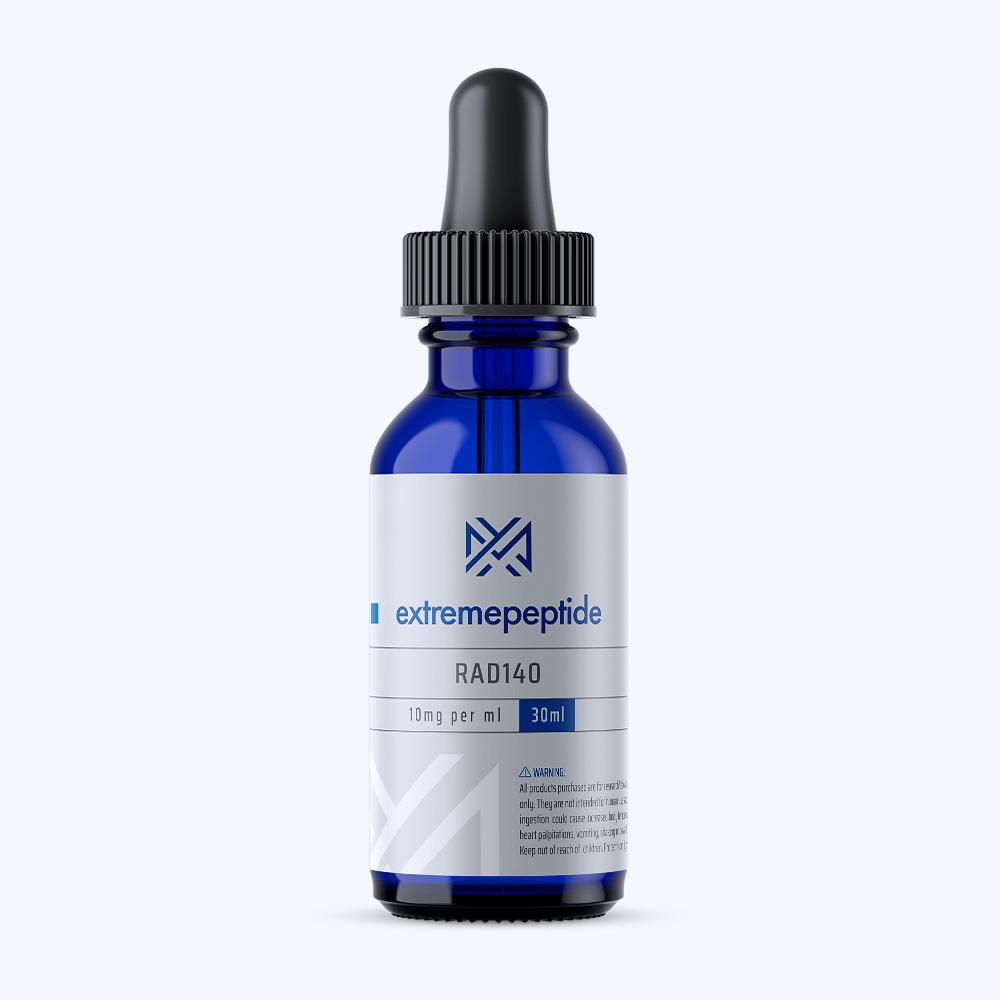
RAD140 (Testolone): Benefits, Uses, Risks, and Performance Potential
What Is RAD140?
RAD140, commonly known as Testolone, is one of the most widely recognized Selective Androgen Receptor Modulators (SARMs) in the fitness and bodybuilding industry. It was originally developed to explore potential therapeutic applications for conditions associated with muscle wasting and reduced bone density. Unlike traditional anabolic steroids, RAD140 is designed to selectively target androgen receptors in muscle and bone tissues, making it a subject of interest among athletes and fitness enthusiasts seeking lean muscle development and strength enhancement.
The selective nature of RAD140 has contributed to its popularity, as it aims to provide anabolic effects while minimizing activity in other tissues. However, it is important to understand that RAD140 remains a research compound and has not been approved for recreational bodybuilding or athletic performance enhancement.
Benefits of RAD140 for Muscle Growth and Strength
Increased Lean Muscle Mass
One of the primary reasons individuals explore RAD140 is its potential to support lean muscle growth. Users often report noticeable improvements in muscle size and density when combined with a structured resistance training program and adequate nutrition. The compound’s interaction with androgen receptors may help promote protein synthesis, a key factor in muscle development.
Enhanced Strength Performance
RAD140 is frequently associated with significant strength gains. Many athletes seek it for its potential to improve training intensity, allowing for greater performance during weightlifting sessions. Increased strength can contribute to progressive overload, which is essential for long-term muscle growth.
Support for Muscle Preservation
During calorie-restricted dieting phases, maintaining muscle mass can be challenging. RAD140 is often discussed for its potential role in preserving lean tissue while reducing body fat. This characteristic makes it particularly appealing to individuals focused on achieving a lean and defined physique.
Potential Risks and Side Effects of RAD140
Hormonal Suppression
Although RAD140 is often marketed as a selective alternative to anabolic steroids, it may still influence the body’s natural hormone production. Some users have reported testosterone suppression following use, which may require medical evaluation and appropriate recovery strategies.
Liver Health Considerations
Like many performance-enhancing compounds, RAD140 may place stress on the liver in some individuals. Monitoring overall health and consulting healthcare professionals before considering any research compound is strongly recommended.
Other Reported Side Effects
Some users have reported experiencing headaches, mood changes, fatigue, nausea, and fluctuations in cholesterol levels. Individual responses can vary significantly based on factors such as dosage, duration of use, genetics, and overall health status.
Importance of Medical Guidance
Because research on the long-term effects of RAD140 remains limited, professional medical guidance is essential. Individuals should prioritize evidence-based health decisions and understand the potential risks associated with experimental compounds.
Is RAD140 Right for Your Fitness Goals?
RAD140 continues to attract attention due to its potential to support lean muscle growth, strength development, and muscle preservation. Its selective mechanism has positioned it as one of the most discussed SARMs within the performance enhancement community. However, potential benefits must be carefully weighed against possible side effects and the lack of long-term safety data.
For individuals focused on building muscle, improving athletic performance, or maintaining muscle during a cutting phase, RAD140 may appear attractive. Nevertheless, proper training, nutrition, recovery, and professional healthcare advice remain the foundation of sustainable fitness progress.
As research evolves, understanding both the advantages and limitations of RAD140 is crucial for making informed decisions. Anyone considering the use of SARMs should stay informed about current regulations, scientific findings, and potential health implications before proceeding.