LGD-4033 (Ligandrol): A Professional Overview of Its Benefits, Mechanism, and Considerations
What Is LGD-4033?
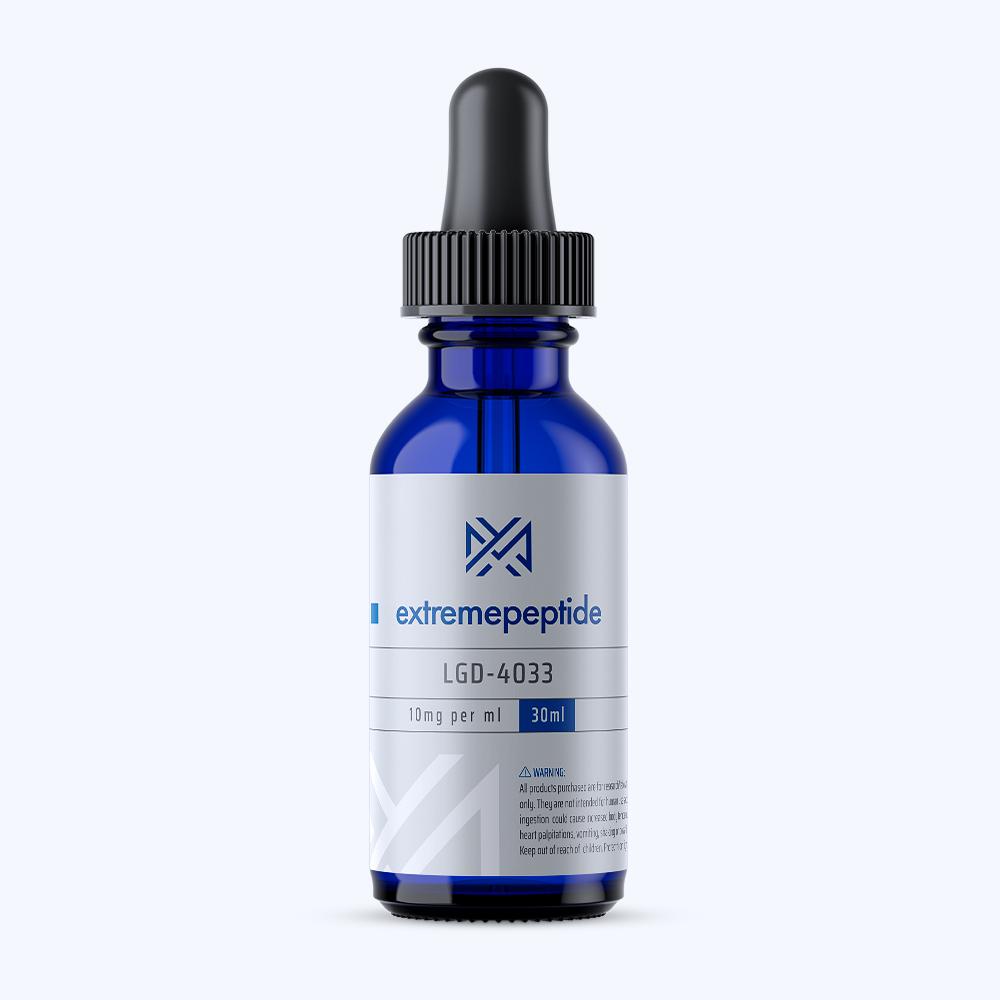
LGD-4033, commonly known as Ligandrol, is a selective androgen receptor modulator (SARM) that has gained significant attention in the fitness, bodybuilding, and research communities. It was originally developed to help address conditions associated with muscle wasting, age-related muscle loss, and decreased bone density. Unlike traditional anabolic steroids, LGD-4033 is designed to selectively target androgen receptors in muscle and bone tissues while minimizing effects on other organs.
Because of its selective mechanism, LGD-4033 has become one of the most widely discussed SARMs among individuals interested in improving lean muscle mass, strength development, and physical performance. However, it is important to note that LGD-4033 remains a research compound and is not approved for recreational muscle-building purposes.
How LGD-4033 Works
LGD-4033 functions by binding to androgen receptors in the body. These receptors play a key role in regulating muscle growth, bone health, and physical strength. Once activated, the receptors stimulate anabolic activity, which may contribute to increased protein synthesis and improved muscle retention.
Key Mechanisms of Action
- Selective targeting of muscle and bone tissue
- Enhanced protein synthesis
- Support for lean muscle development
- Potential preservation of muscle during calorie deficits
- Possible improvements in bone mineral density
This selective approach distinguishes LGD-4033 from traditional anabolic compounds, which often affect multiple organs and may result in a broader range of unwanted side effects.
Potential Benefits of LGD-4033
LGD-4033 is frequently researched for its potential performance-enhancing and body-composition-related benefits. While individual results can vary, several commonly reported advantages include:
Increased Lean Muscle Mass
One of the primary reasons LGD-4033 attracts attention is its potential to support lean muscle growth. Users and researchers have observed increases in muscle size and overall body mass without the excessive water retention often associated with certain anabolic substances.
Enhanced Strength Performance
Improved strength is another frequently discussed benefit. Increased muscle efficiency and enhanced recovery may contribute to better performance during resistance training and athletic activities.
Muscle Preservation During Cutting Phases
Athletes and bodybuilders often seek ways to maintain muscle while reducing body fat. LGD-4033 is commonly researched for its ability to help preserve lean tissue during calorie-restricted diets.
Bone Health Support
Research has suggested that androgen receptor activation in bone tissue may positively influence bone strength and density. This potential benefit makes LGD-4033 particularly interesting from a medical research perspective.
Important Safety Considerations
Potential Side Effects
Although LGD-4033 is often considered more selective than anabolic steroids, it is not free from risks. Potential side effects may include:
- Hormonal suppression
- Changes in cholesterol levels
- Headaches
- Fatigue
- Temporary fluctuations in testosterone production
The severity and occurrence of these effects can vary depending on dosage, duration of use, and individual physiology.
Regulatory Status
LGD-4033 is not approved by major regulatory authorities for bodybuilding or athletic enhancement purposes. Additionally, many professional sports organizations prohibit the use of SARMs, including LGD-4033, due to their performance-enhancing potential.
Research Limitations
While early studies have generated interest in LGD-4033, long-term human research remains limited. More comprehensive clinical data is needed to fully understand its long-term safety profile, effectiveness, and potential health implications.
Who Is Interested in LGD-4033?
LGD-4033 is commonly discussed among:
Fitness Enthusiasts
Individuals seeking information about muscle-building compounds often explore LGD-4033 because of its reputation for supporting lean mass gains.
Bodybuilders
Bodybuilders frequently research Ligandrol for both bulking and recomposition goals, particularly when attempting to increase muscle mass while managing body fat levels.
Researchers
Scientists continue to investigate LGD-4033 for potential applications related to muscle wasting disorders, age-related muscle decline, and bone health conditions.
Athletes
Although many sporting organizations prohibit SARMs, athletes often follow research developments related to LGD-4033 because of its performance-related properties.
Conclusion
LGD-4033 (Ligandrol) is one of the most recognized SARMs in the fitness and research industries. Its selective interaction with androgen receptors has made it a subject of interest for muscle growth, strength enhancement, and bone health research. While potential benefits such as increased lean muscle mass and improved physical performance have contributed to its popularity, important considerations regarding safety, regulation, and long-term research remain essential.
Anyone researching LGD-4033 should prioritize evidence-based information, understand the current regulatory landscape, and carefully evaluate the potential risks and benefits before drawing conclusions.