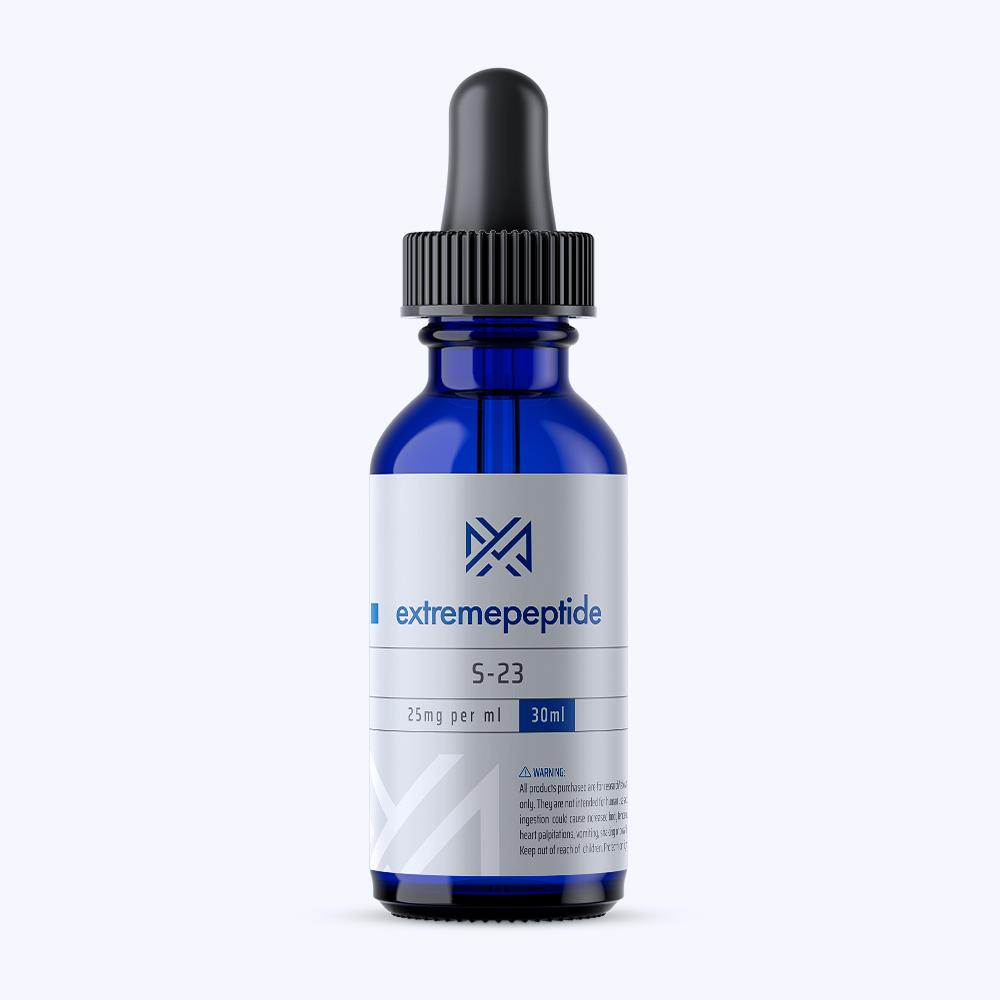
S-23: A Comprehensive Guide to Its Research, Potential Benefits, and Risks
Introduction to S-23
S-23 is a selective androgen receptor modulator (SARM) that has attracted significant attention within the scientific and fitness communities due to its powerful androgen receptor-binding properties. Originally developed for research purposes, S-23 was investigated as a potential treatment for conditions related to muscle wasting and hormonal deficiencies. However, it remains an experimental compound and has not been approved for medical use in most countries.
As interest in performance-enhancing substances continues to grow, S-23 has become one of the most discussed SARMs because of its potency and unique characteristics. Understanding its mechanisms, potential benefits, and associated risks is essential for anyone researching this compound.
What Is S-23?
Definition and Classification
S-23 belongs to a class of compounds known as Selective Androgen Receptor Modulators (SARMs). These compounds are designed to selectively target androgen receptors in muscle and bone tissues while aiming to minimize effects on other organs.
Unlike traditional anabolic steroids, SARMs were developed to provide more targeted anabolic activity. S-23 is considered one of the strongest SARMs currently discussed in research literature, making it a subject of interest for scientists studying muscle growth, bone density, and hormone-related conditions.
How S-23 Works
S-23 functions by binding to androgen receptors in the body. When these receptors are activated, they can stimulate processes associated with muscle development and physical performance. Researchers have observed that S-23 demonstrates a strong affinity for androgen receptors, which may contribute to its anabolic effects.
Its selective action differentiates it from conventional anabolic steroids, although selectivity does not eliminate the possibility of side effects or health concerns.
Potential Benefits of S-23
Muscle Growth Support
One of the primary reasons S-23 receives attention is its potential role in supporting lean muscle mass. Research suggests that activation of androgen receptors may promote protein synthesis and help preserve muscle tissue under specific conditions.
This characteristic has made S-23 a topic of interest in studies involving muscle-wasting disorders and age-related muscle loss.
Improved Strength and Performance
Some research findings indicate that S-23 may contribute to increased strength and physical performance. Enhanced androgen receptor activity can influence muscle function, potentially leading to improved athletic capabilities.
However, it is important to note that performance-related outcomes have not been fully established through large-scale human clinical trials.
Bone Health Research
Another area of scientific interest is the potential impact of S-23 on bone density. Androgen receptor activation plays a role in maintaining skeletal strength, and researchers continue to explore whether compounds such as S-23 could support bone health in certain medical conditions.
Body Composition Effects
Researchers have also examined the possibility that S-23 may help influence body composition by supporting lean muscle retention while reducing fat accumulation. These findings remain under investigation and require further clinical validation.
Risks, Side Effects, and Safety Considerations
Hormonal Suppression
One of the most significant concerns associated with S-23 is hormonal suppression. Studies suggest that S-23 may substantially reduce natural testosterone production, which can lead to hormonal imbalances.
Hormonal suppression may result in symptoms such as fatigue, reduced energy levels, mood changes, and decreased overall well-being.
Limited Human Research
Although animal studies have provided valuable insights, comprehensive human research on S-23 remains limited. This lack of long-term clinical data makes it difficult to fully understand the compound’s safety profile and potential health consequences.
Potential Health Risks
Because S-23 is still considered an experimental compound, researchers continue to evaluate its effects on cardiovascular health, liver function, endocrine balance, and reproductive systems. The absence of extensive human trials means that potential risks may not yet be completely understood.
Regulatory Status
S-23 is generally classified as a research chemical and is not approved for recreational or performance-enhancing use. Regulatory agencies in many regions have not authorized it as a dietary supplement or prescription medication.
Individuals researching SARMs should carefully review local regulations and scientific evidence before drawing conclusions about their safety or effectiveness.
Conclusion
S-23 is one of the most potent and widely discussed SARMs in scientific research. Its strong androgen receptor activity has generated interest regarding muscle preservation, strength development, body composition, and bone health. Despite these potential applications, S-23 remains an experimental compound with limited human research and significant safety concerns.
Current evidence highlights the importance of caution when evaluating S-23. While preliminary studies demonstrate promising anabolic properties, the risks associated with hormonal suppression and the lack of long-term clinical data underscore the need for further scientific investigation.
For researchers, health professionals, and individuals interested in emerging performance-related compounds, understanding both the potential benefits and limitations of S-23 is essential for making informed decisions based on evidence rather than speculation.