S-4 (Andarine): Benefits, Risks, Research Status, and Safety Overview
What Is S-4 (Andarine)?
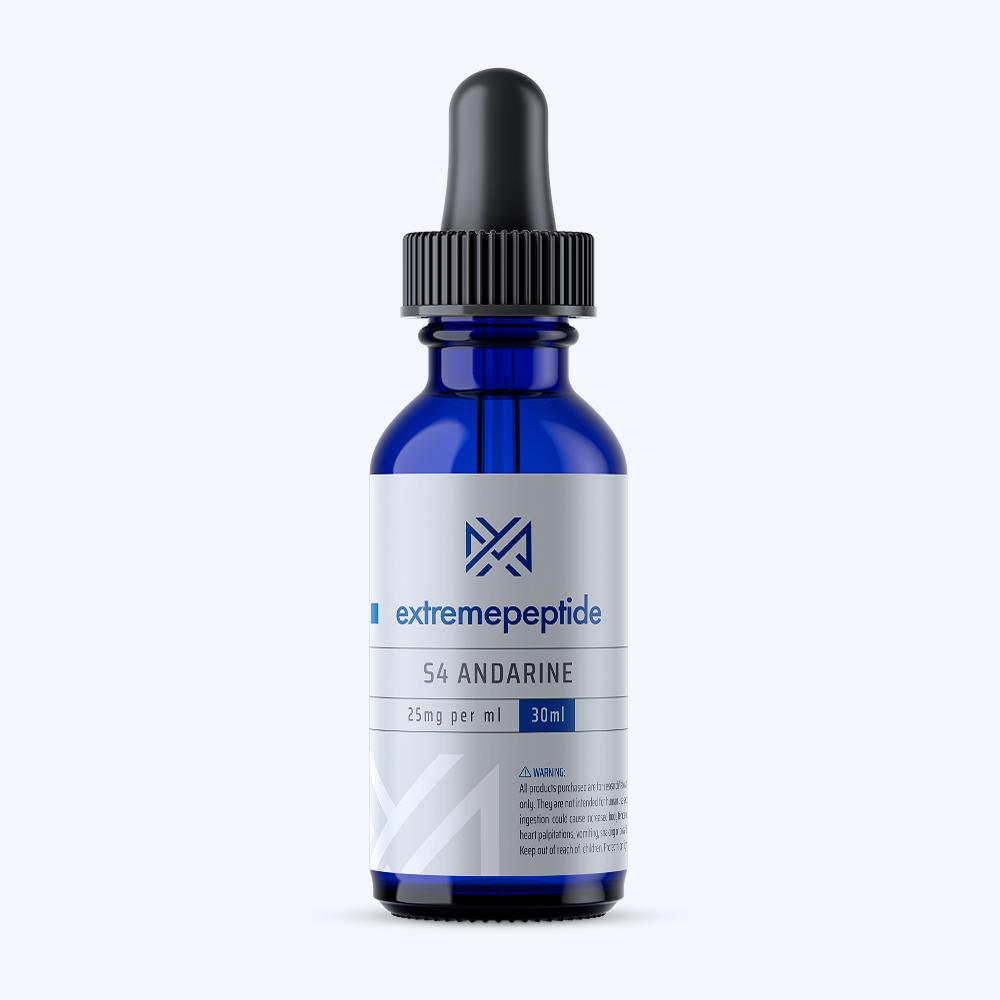
S-4 Andarine
S-4, commonly known as Andarine, is a Selective Androgen Receptor Modulator (SARM) that was originally developed for research involving muscle-wasting conditions, osteoporosis, and other health-related concerns. Unlike traditional anabolic steroids, SARMs are designed to target specific androgen receptors in muscle and bone tissues while aiming to reduce unwanted effects in other parts of the body.
Although S-4 has gained attention in fitness and bodybuilding communities, it remains an investigational compound and has not received approval from the U.S. Food and Drug Administration (FDA) for human use. Regulatory agencies continue to warn consumers about products containing SARMs due to safety and quality concerns.
How S-4 (Andarine) Works
S-4 functions by binding to androgen receptors in the body. These receptors play an important role in muscle growth, bone density, and physical performance. Researchers developed Andarine to create anabolic effects in muscle and bone tissue without the broader impact associated with anabolic steroids.
Potential Areas of Research
Studies have explored S-4 for several possible applications, including:
- Muscle preservation during conditions that cause muscle loss
- Bone health and osteoporosis research
- Body composition and lean muscle mass studies
- Physical strength and performance-related investigations
Most of the available evidence comes from animal studies and early-stage research. Large-scale human clinical trials demonstrating long-term safety and effectiveness are still lacking.
Why It Attracted Attention
The popularity of Andarine largely stems from its reputation as a tissue-selective compound. Some researchers have suggested that it may support lean muscle development while having fewer androgenic effects than traditional steroids. However, these claims remain limited by insufficient clinical evidence and a lack of FDA-approved therapeutic uses.
Risks and Side Effects of S-4 (Andarine)
Safety remains one of the biggest concerns surrounding S-4. Since it has not been approved for medical use, there is limited information regarding its long-term impact on human health.
Vision-Related Side Effects
One of the most frequently reported concerns associated with Andarine is visual disturbance. Users and researchers have reported symptoms such as:
- Yellow-tinted vision
- Difficulty adjusting to darkness
- Reduced night vision
These effects have become one of the most recognizable characteristics linked to S-4 and continue to raise concerns about its overall safety profile.
Hormonal and Health Concerns
Researchers have also discussed potential risks that may include:
- Hormonal suppression
- Changes in cholesterol levels
- Liver-related concerns
- Fatigue and headaches
- Uncertain long-term health effects
Because human research remains limited, experts emphasize that the full safety profile of S-4 has not yet been established.
Product Quality Issues
Another concern involves the quality and accuracy of products marketed as SARMs. Independent investigations have found that many online products contain ingredients that do not match their labels, while some contain completely different substances than advertised. This creates additional health and safety risks for consumers.
Legal Status and Final Considerations
Is S-4 (Andarine) Legal?
The legal status of S-4 varies by country, but it is not approved for human consumption as a medicine or dietary supplement in the United States. Additionally, the World Anti-Doping Agency (WADA) prohibits SARMs, including Andarine, in competitive sports. Athletes who test positive may face suspensions and other penalties.
Final Verdict
S-4 (Andarine) remains an interesting research compound within the SARM category. Early studies suggest potential effects on muscle tissue and bone density, but there is currently insufficient clinical evidence to support its use as a safe or approved treatment. Concerns regarding vision changes, hormonal effects, product quality, and regulatory restrictions continue to limit its acceptance in medical practice. Anyone researching Andarine should focus on evidence-based information and remain aware that it is still considered an investigational substance rather than an approved therapeutic option.