5-amino-1mq
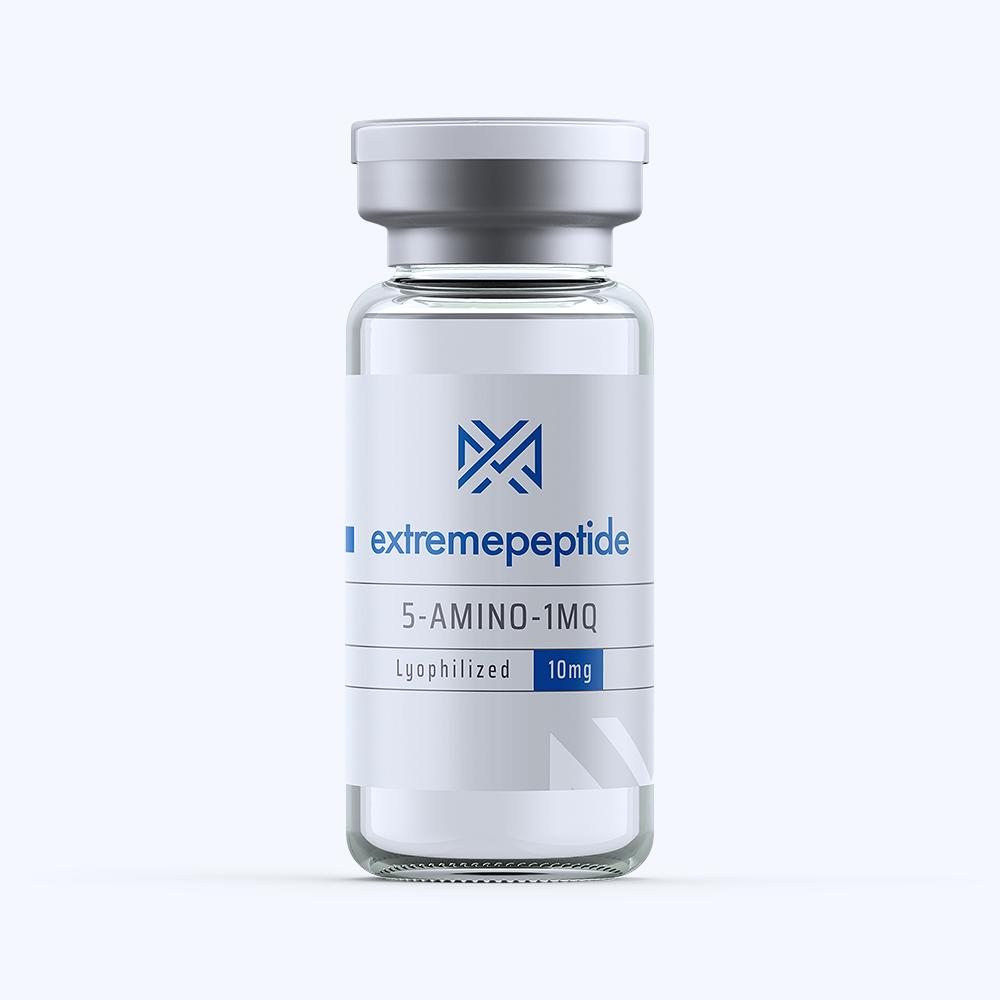
High-quality 5-amino-1mq research compound. Formula: C10H11N2+. MW: 159.21 g/mol. For research use only. Not for human consumption. 5-Amino-1MQ is a novel research compound that has gained attention in the fields of metabolic science, weight management, and cellular health. It is primarily recognized for its ability to inhibit Nicotinamide N-Methyltransferase (NNMT), an enzyme involved in regulating energy metabolism and fat storage. By targeting this specific pathway, 5-Amino-1MQ has become a subject of growing scientific interest among researchers investigating innovative approaches to metabolic optimization and body composition management.
buy 5-amino-1mq
Unlike traditional weight management compounds that focus solely on appetite suppression or calorie expenditure, 5-Amino-1MQ works at the cellular level by influencing metabolic processes that affect how the body stores and utilizes energy. This unique mechanism has positioned it as a promising candidate for research related to obesity, metabolic efficiency, and overall cellular function.
5-amino-1mq for sale
As interest in metabolic health continues to increase, 5-Amino-1MQ is emerging as a noteworthy compound in preclinical research. Scientists are exploring its potential to support healthier metabolic activity and improve body composition through targeted biochemical pathways.
H2: How 5-Amino-1MQ Works
The primary mechanism of 5-Amino-1MQ revolves around the inhibition of the NNMT enzyme. NNMT plays an important role in cellular metabolism by regulating the availability of molecules involved in energy production and metabolic signaling. Elevated NNMT activity has been associated with increased fat accumulation, reduced metabolic efficiency, and various metabolic challenges.
By inhibiting NNMT, 5-Amino-1MQ may help increase cellular energy utilization and support more efficient metabolic function. Research suggests that this process can influence how cells process nutrients and manage energy reserves. The result is a metabolic environment that may favor improved energy expenditure and reduced fat storage.
Another significant aspect of 5-Amino-1MQ is its relationship with nicotinamide adenine dinucleotide (NAD+) pathways. NAD+ is a critical coenzyme involved in cellular energy production, mitochondrial function, and overall metabolic health. Through NNMT inhibition, researchers believe that 5-Amino-1MQ may indirectly support healthier NAD+ metabolism, which is closely linked to cellular vitality and energy regulation.
This targeted approach distinguishes 5-Amino-1MQ from many conventional metabolic support compounds and has contributed to its growing popularity within scientific and wellness research communities.
H2: Potential Benefits of 5-Amino-1MQ
The increasing interest in 5-Amino-1MQ is largely driven by its potential applications in metabolic and body composition research. While studies are ongoing, several areas have attracted particular attention from researchers.
One of the most frequently discussed potential benefits is support for healthy body composition. Preclinical research has suggested that NNMT inhibition may influence fat metabolism and energy expenditure, creating conditions that could support reduced fat accumulation. This has led to interest in 5-Amino-1MQ as a research tool for understanding weight management mechanisms.
Researchers are also exploring its potential role in promoting metabolic efficiency. By enhancing cellular energy utilization, 5-Amino-1MQ may help support healthier metabolic processes and improved nutrient handling. This could have broader implications for individuals seeking strategies that support overall metabolic wellness.
Additionally, 5-Amino-1MQ has generated interest for its possible effects on cellular health and mitochondrial function. Healthy mitochondria are essential for energy production, physical performance, and long-term wellness. Compounds that influence metabolic pathways associated with mitochondrial activity continue to be important areas of scientific investigation.
Although the current evidence remains primarily within the research setting, the findings have encouraged further studies aimed at understanding the full range of physiological effects associated with 5-Amino-1MQ.
H2: Research Outlook and Important Considerations
5-Amino-1MQ remains an emerging compound within the field of metabolic research. While early findings have demonstrated promising effects on NNMT inhibition and energy metabolism, additional clinical studies are needed to fully evaluate its long-term efficacy, safety profile, and potential therapeutic applications.
Researchers continue to investigate how 5-Amino-1MQ may contribute to advancements in obesity research, metabolic health management, and cellular optimization. As scientific understanding expands, this compound may offer valuable insights into the complex relationship between enzyme regulation, energy production, and body composition.
It is important to recognize that much of the current knowledge surrounding 5-Amino-1MQ is based on laboratory and preclinical research. Ongoing human studies will be essential for determining its broader applicability and establishing evidence-based recommendations for future use.
The growing interest in precision health, longevity science, and metabolic optimization ensures that 5-Amino-1MQ will likely remain a focus of scientific exploration for years to come. Its unique mechanism of action and targeted metabolic effects make it one of the more intriguing compounds currently being studied in the field of advanced metabolic research.
Conclusion
5-Amino-1MQ is a promising NNMT inhibitor that has attracted significant attention for its potential role in metabolic health, body composition research, and cellular energy regulation. By targeting a key enzyme involved in fat storage and metabolic efficiency, it represents a unique and innovative area of scientific investigation. As research continues to evolve, 5-Amino-1MQ may provide valuable insights into the future of metabolic optimization and advanced wellness strategies.