Survodutide: A Promising Next-Generation Therapy for Obesity and Metabolic Health
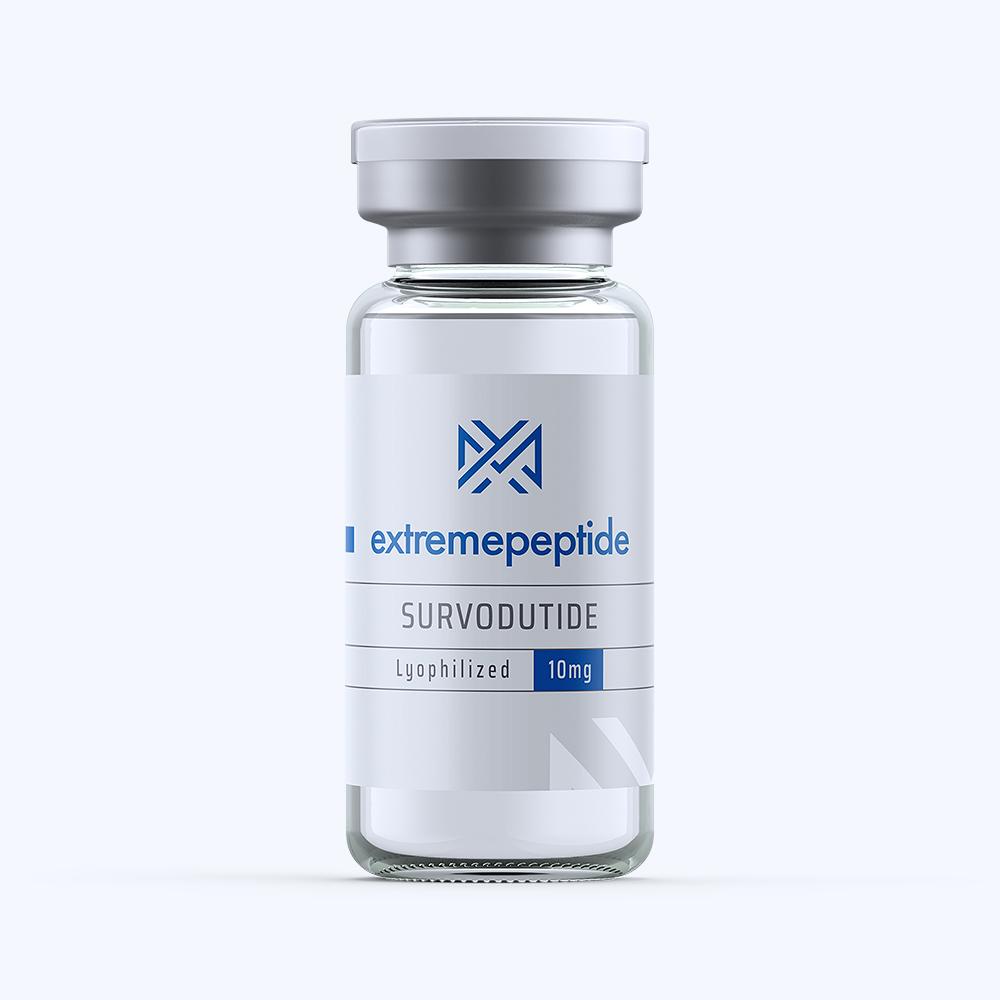
Survodutide is an innovative investigational medication that has attracted significant attention in the fields of obesity management, weight loss, and metabolic disease treatment. Developed by Boehringer Ingelheim in partnership with Zealand Pharma, Survodutide is being studied as a potential treatment for obesity, overweight conditions, and metabolic dysfunction-associated steatohepatitis (MASH), formerly known as nonalcoholic steatohepatitis (NASH). Its unique mechanism of action and encouraging clinical trial results have positioned it as one of the most promising candidates in the evolving landscape of weight management therapies.
H2: What Is Survodutide?
Survodutide is an experimental dual-acting peptide therapy designed to target two important hormonal pathways involved in energy balance and metabolism. It acts as both a glucagon receptor agonist and a glucagon-like peptide-1 (GLP-1) receptor agonist. By stimulating these receptors simultaneously, Survodutide aims to enhance weight reduction while improving metabolic health.
Unlike traditional weight loss medications that focus on appetite suppression alone, Survodutide offers a comprehensive approach. The GLP-1 component helps reduce hunger, increase feelings of fullness, and regulate blood sugar levels. Meanwhile, glucagon receptor activation may increase energy expenditure and promote fat metabolism. This dual mechanism could provide substantial benefits for individuals struggling with obesity and related metabolic disorders.
As obesity rates continue to rise worldwide, healthcare professionals and researchers are actively seeking treatments that deliver meaningful, sustainable weight loss. Survodutide represents a significant advancement in this effort due to its ability to address multiple metabolic pathways simultaneously.
H2: Potential Benefits of Survodutide
Clinical studies have demonstrated encouraging outcomes regarding Survodutide’s effectiveness. Early trial data suggest that patients receiving the medication experienced significant reductions in body weight compared to placebo groups. These findings have generated excitement among obesity specialists and endocrinologists.
Some of the potential benefits associated with Survodutide include:
- Significant weight loss in individuals with obesity or overweight conditions.
- Improved appetite control and reduced caloric intake.
- Enhanced metabolic function and energy utilization.
- Potential improvement in liver health for patients with MASH.
- Better blood sugar regulation and insulin sensitivity.
- Reduction in obesity-related health risks such as cardiovascular complications.
The medication’s ability to target both weight management and metabolic disease may make it particularly valuable for patients with multiple health concerns linked to excess body weight.
H3: Survodutide and MASH Treatment
One of the most exciting areas of Survodutide research involves its potential role in treating MASH, a progressive liver disease associated with obesity, insulin resistance, and metabolic syndrome. MASH can lead to liver inflammation, fibrosis, cirrhosis, and severe liver complications if left untreated.
Researchers believe that Survodutide’s combined effects on body weight, fat metabolism, and liver health may help reduce liver fat accumulation and improve liver function. Clinical studies are currently evaluating whether the medication can slow disease progression and potentially reverse certain aspects of liver damage.
Given the increasing prevalence of MASH worldwide, the development of effective therapies remains a high priority for healthcare providers and pharmaceutical researchers.
H3: Safety Profile and Ongoing Research
Like many GLP-1-based therapies, Survodutide may cause gastrointestinal side effects in some patients. Commonly reported reactions during clinical trials have included nausea, vomiting, diarrhea, and digestive discomfort. However, these effects are generally manageable and often decrease over time as the body adapts to treatment.
It is important to note that Survodutide remains under clinical investigation and has not yet achieved full regulatory approval in many markets. Researchers continue to conduct Phase III and other advanced clinical studies to evaluate its long-term safety, efficacy, and overall therapeutic value.
Healthcare professionals emphasize that treatment decisions should always be based on individual medical assessments and current regulatory guidance. As additional research becomes available, a clearer understanding of Survodutide’s benefits and risks will emerge.
H4: The Future of Survodutide in Weight Management
Survodutide represents a promising advancement in the future of obesity treatment and metabolic disease management. Its dual-action approach distinguishes it from many existing therapies and highlights the growing trend toward more sophisticated, biology-driven treatments.
As clinical development progresses, Survodutide may become an important option for individuals seeking effective weight loss solutions and improved metabolic health. Its potential applications in obesity, MASH, and related metabolic conditions could significantly impact patient care in the coming years.
For healthcare providers, researchers, and patients alike, Survodutide remains one of the most closely watched investigational therapies in modern metabolic medicine. Continued research will determine its ultimate role in transforming the treatment landscape for obesity and liver disease.