BPC-157 / TB-500 Blend: A Professional Overview of Peptide Research
Introduction
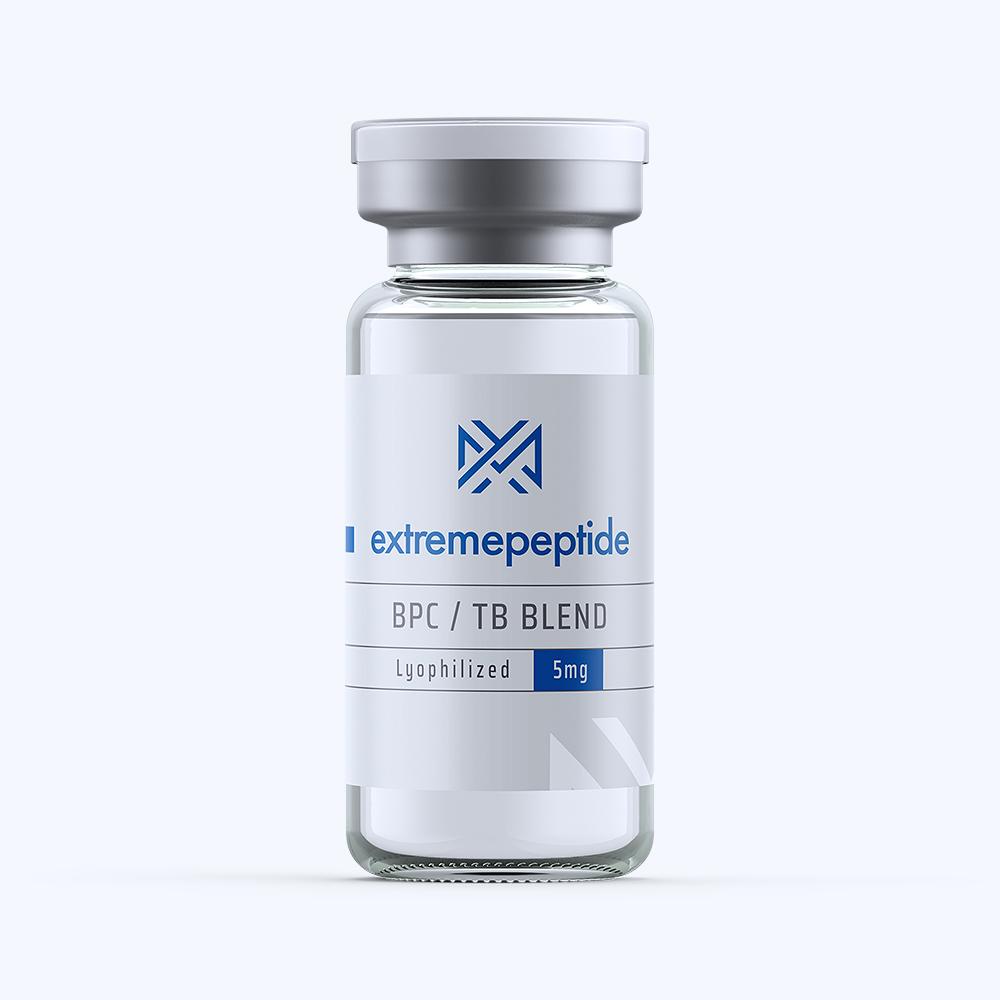
The BPC-157 / TB-500 Blend has become a widely discussed topic within peptide research communities due to its potential role in studying tissue recovery, cellular signaling, and regenerative processes. This peptide combination brings together two research compounds—BPC-157 and TB-500—that are often examined for their complementary properties in laboratory settings.
While interest in these peptides continues to grow, it is important to note that BPC-157 and TB-500 are primarily research compounds and are not approved for the diagnosis, treatment, cure, or prevention of diseases in humans. Researchers investigate these peptides to better understand mechanisms related to tissue repair, angiogenesis, and cellular regeneration.
What Is BPC-157?
Understanding BPC-157
BPC-157, short for Body Protection Compound-157, is a synthetic peptide derived from a naturally occurring protein found in gastric juice. Researchers have studied this peptide for its potential influence on tissue healing processes, blood vessel formation, and cellular communication pathways.
Key Research Areas of BPC-157
- Connective tissue research
- Muscle and tendon recovery studies
- Gastrointestinal tissue investigations
- Cellular regeneration mechanisms
- Angiogenesis (blood vessel formation) research
BPC-157 has attracted attention because of its stability and its potential interactions with various biological pathways associated with tissue maintenance and repair.
What Is TB-500?
Understanding TB-500
TB-500 is a synthetic version of a naturally occurring peptide known as Thymosin Beta-4. This peptide is commonly investigated for its role in cell migration, tissue remodeling, and wound-healing processes.
Key Research Areas of TB-500
- Muscle tissue research
- Recovery and regeneration studies
- Cellular movement and differentiation
- Inflammation-related research models
- Tissue remodeling investigations
Researchers often explore TB-500 because of its broad distribution potential throughout the body and its involvement in cellular repair mechanisms.
Why Combine BPC-157 and TB-500?
The Potential Synergy of a Peptide Blend
One of the primary reasons researchers examine a BPC-157 / TB-500 Blend is the possibility of complementary biological activity. While each peptide has distinct characteristics, combining them may provide a broader research approach to studying tissue regeneration and recovery pathways.
Potential Benefits Studied in Research
Enhanced Tissue Recovery Research
BPC-157 is frequently associated with localized tissue repair studies, while TB-500 is often investigated for systemic tissue support. Together, they may offer researchers a more comprehensive model for evaluating recovery processes.
Support for Cellular Regeneration Studies
Researchers examine both peptides for their involvement in cellular signaling pathways that influence tissue maintenance and regeneration.
Investigation of Recovery Mechanisms
The blend may help researchers analyze how different peptide pathways interact during recovery and remodeling phases.
Angiogenesis and Circulation Research
Both compounds have been explored in studies involving blood vessel development and circulation-related mechanisms, making the combination an area of ongoing scientific interest.
Applications in Peptide Research
Common Research Interests
The BPC-157 / TB-500 Blend is often included in research focusing on:
Musculoskeletal Studies
Researchers investigate the blend in models related to muscles, tendons, ligaments, and connective tissues.
Recovery and Regeneration Research
The combination is frequently studied for its potential influence on recovery pathways and tissue remodeling processes.
Cellular Communication Studies
Scientists continue exploring how these peptides may interact with signaling networks involved in repair and regeneration.
Performance and Recovery Models
Research institutions sometimes examine these peptides within broader studies of physical stress, tissue adaptation, and biological recovery responses.
Important Considerations
Research Status and Compliance
Although interest in BPC-157 and TB-500 has increased significantly, it is essential to understand their current regulatory status. These peptides are generally intended for laboratory and scientific research purposes only.
Key Points to Remember
- Not approved as prescription medications in many jurisdictions.
- Primarily used for research and educational purposes.
- Ongoing studies continue to evaluate their biological mechanisms.
- Scientific evidence is still evolving.
Researchers and organizations should always follow applicable regulations, ethical guidelines, and quality standards when working with peptide compounds.
Conclusion
Understanding the Value of BPC-157 / TB-500 Blend Research
The BPC-157 / TB-500 Blend represents an intriguing area of peptide research, bringing together two compounds that are frequently studied for their potential roles in tissue regeneration, cellular repair, and recovery mechanisms. By combining the localized research interest of BPC-157 with the broader systemic research focus of TB-500, scientists can further investigate complex biological pathways related to healing and tissue maintenance.
As peptide science continues to advance, this blend remains a subject of significant interest among researchers seeking deeper insights into regenerative biology and cellular function.