Retatrutide (GLP-1/GIP/Glucagon) 10mg – Advanced Triple Receptor Agonist for Metabolic Research
H2: Overview of Retatrutide 10mg
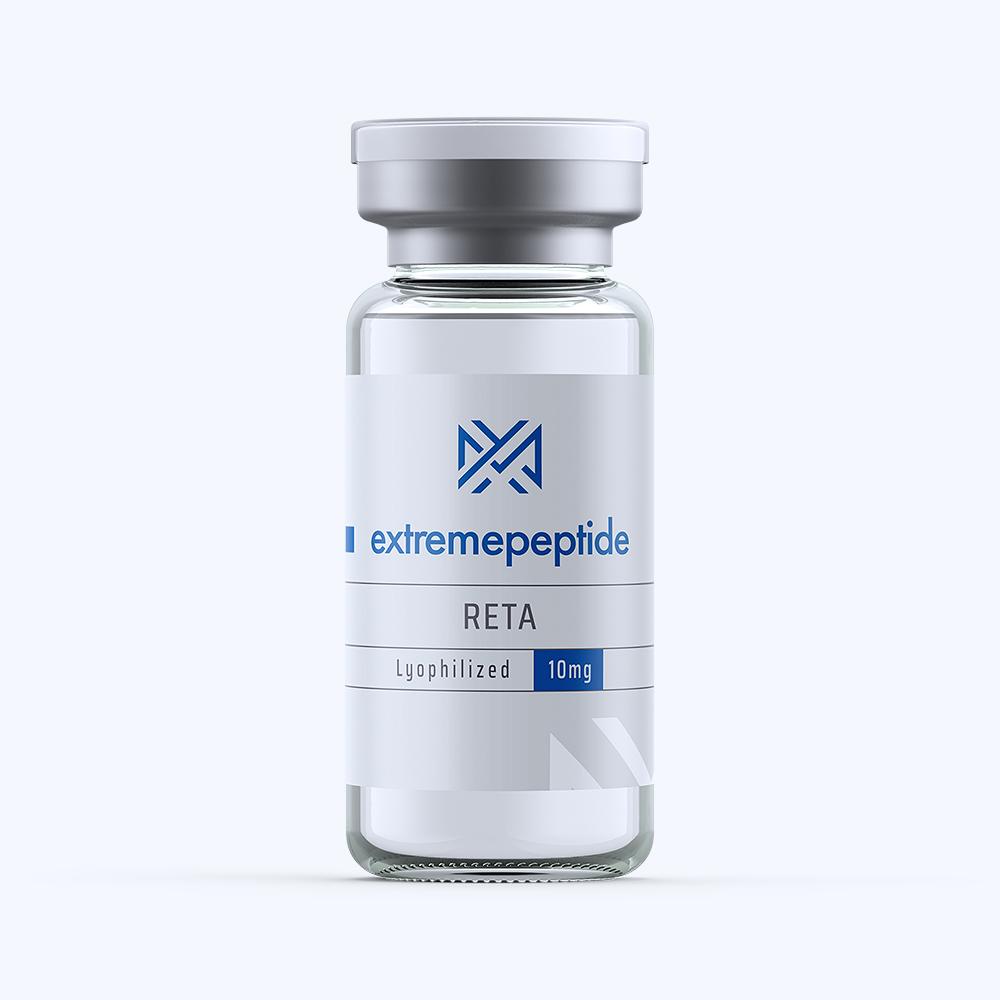
Reta (GLP-1/GIP/GCG) 10mg Retatrutide (often referred to as “Reta”) is an investigational triple receptor agonist designed to target three key metabolic pathways simultaneously: GLP-1 (Glucagon-Like Peptide-1), GIP (Glucose-Dependent Insulinotropic Polypeptide), and Glucagon receptors. This innovative mechanism has attracted significant attention within the scientific and medical research communities due to its potential role in weight management, metabolic health, and glucose regulation. Retatrutide remains under clinical investigation and has not received regulatory approval for general medical use.
Unlike traditional single-pathway therapies, Retatrutide combines the effects of three metabolic hormones into one molecule, creating a comprehensive approach that may influence appetite control, energy expenditure, insulin sensitivity, and body composition. Current clinical research continues to evaluate its long-term efficacy and safety profile Reta (GLP-1/GIP/GCG) 10mg.
H3: How Retatrutide Works
Retatrutide’s unique triple-agonist mechanism is what differentiates it from earlier generations of metabolic therapies.
H4: GLP-1 Receptor Activation
GLP-1 receptor stimulation may help regulate appetite, support healthy blood glucose levels, and slow gastric emptying. These effects are associated with improved satiety and reduced caloric intake.
H4: GIP Receptor Activation
GIP receptor activity may enhance insulin response and contribute to improved metabolic efficiency. Researchers believe GIP signaling may also complement the appetite-regulating effects of GLP-1.
H4: Glucagon Receptor Activation
The glucagon component is particularly noteworthy because it may increase energy expenditure and support fat metabolism. This additional pathway has generated interest regarding its potential contribution to body weight reduction observed in clinical studies.
H2: Potential Benefits Being Studied
Researchers are investigating Retatrutide for several potential metabolic applications. Ongoing clinical trials have explored its effects on:
H3: Weight Management Research
Retatrutide has demonstrated significant body weight reductions in clinical studies, making it one of the most closely watched investigational compounds in obesity research. Early and ongoing trials have reported substantial weight-loss outcomes when compared with previous generations of incretin-based therapies.
H3: Metabolic Health Support
Research suggests that triple receptor activation may positively influence metabolic markers, including insulin sensitivity and glucose control. Scientists continue to study its broader impact on metabolic disorders.
H3: Energy Expenditure Enhancement
The glucagon receptor component may contribute to increased calorie utilization, offering a potential advantage over therapies that primarily focus on appetite suppression alone.
H2: Research Applications of Retatrutide 10mg
Retatrutide 10mg is commonly referenced in scientific discussions surrounding metabolic disease research, obesity studies, and endocrine investigations. Researchers are examining its potential role in:
H3: Obesity and Weight-Loss Studies
The compound is being evaluated for its ability to support meaningful reductions in body weight through multiple biological pathways.
H3: Type 2 Diabetes Research
Investigators continue to assess how triple receptor agonism may improve glycemic control and metabolic function.
H3: Cardiometabolic Health Studies
Ongoing research is exploring the relationship between Retatrutide and cardiovascular risk factors associated with obesity and metabolic syndrome.
H2: Quality and Professional Standards
High-quality Retatrutide 10mg products intended for research purposes are typically manufactured under strict laboratory standards to ensure purity, consistency, and stability. Researchers often prioritize products that undergo rigorous quality-control testing and analytical verification to support reliable study outcomes.
Maintaining proper storage conditions and following established laboratory protocols are essential factors in preserving compound integrity during research applications.
H2: Important Disclaimer
Retatrutide (LY3437943) is an investigational compound currently undergoing clinical evaluation. It is not approved by major regulatory authorities for general medical use and should be discussed only in the context of scientific research and clinical development. Ongoing studies continue to evaluate its efficacy, safety, and potential therapeutic applications.