Retatrutide (GLP-1/GIP/GCG) 30mg: The Next Generation of Metabolic Health Innovation
What Is Retatrutide (GLP-1/GIP/GCG)?
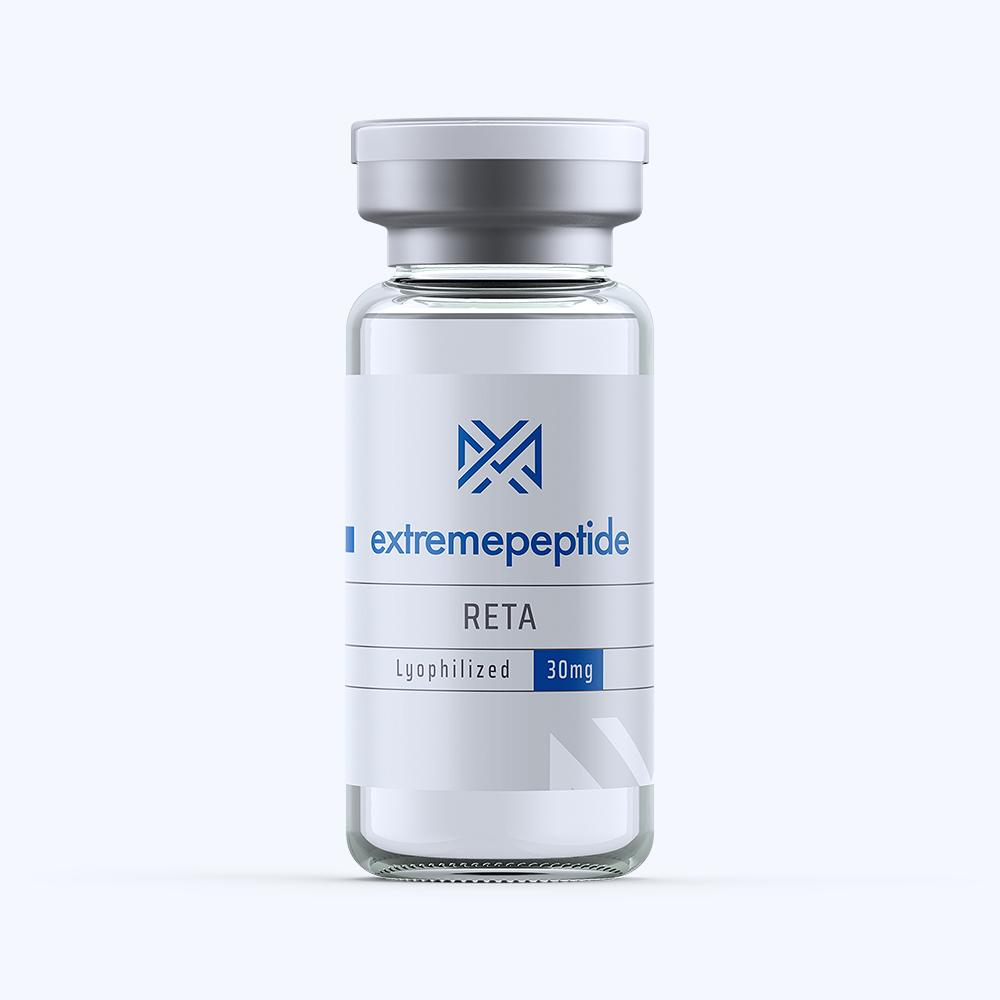
Reta (GLP-1/GIP/GCG) 30mg Retatrutide, often referred to as “Reta,” is an investigational triple hormone receptor agonist designed to target three key metabolic pathways simultaneously: GLP-1 (Glucagon-Like Peptide-1), GIP (Glucose-Dependent Insulinotropic Polypeptide), and GCG (Glucagon). Unlike traditional weight management therapies that focus on a single receptor, Retatrutide works through a multi-receptor approach aimed at improving appetite regulation, energy expenditure, and metabolic function.
This innovative mechanism has attracted significant attention within the medical and pharmaceutical industries due to its potential role in obesity management, weight reduction, and metabolic health improvement. Current clinical research suggests that Retatrutide may deliver substantial weight-loss outcomes while supporting overall metabolic performance. However, it remains an investigational treatment and has not yet received FDA approval.
How Retatrutide Works
Triple-Receptor Activation for Enhanced Results
Retatrutide stands out because it activates three different hormone receptors at the same time:
- GLP-1 Receptor: Helps reduce appetite, slow gastric emptying, and improve blood sugar regulation.
- GIP Receptor: Supports insulin response and metabolic balance.
- Glucagon Receptor (GCG): May increase energy expenditure and promote fat metabolism.
This triple-action mechanism is designed to address multiple aspects of weight management rather than focusing solely on appetite suppression. Researchers believe the addition of glucagon receptor activity may contribute to increased calorie burning, making Retatrutide a potentially significant advancement in metabolic medicine.
Potential Benefits of Retatrutide
Clinical studies have highlighted several potential benefits associated with Retatrutide, including:
- Significant body weight reduction
- Improved glucose control
- Enhanced metabolic health markers
- Reduced hunger and food cravings
- Increased energy expenditure through glucagon activation
These benefits have positioned Retatrutide as one of the most closely watched investigational therapies in the obesity and metabolic health sector.
Clinical Research and Weight Management Potential
Promising Trial Results
Recent clinical trials have produced encouraging outcomes. Research participants experienced substantial weight reduction, with some studies reporting weight loss levels that exceeded many currently available obesity treatments. Investigators continue to evaluate the long-term effectiveness, safety profile, and broader health benefits of Retatrutide across various patient populations.
The ongoing Phase 3 TRIUMPH clinical trial program is expected to provide additional data regarding the medication’s impact on obesity, metabolic disorders, and related health conditions. Early findings have generated considerable interest among healthcare professionals and researchers worldwide.
Safety and Considerations
As with many medications that influence metabolic pathways, Retatrutide may be associated with gastrointestinal side effects. Clinical research has reported symptoms such as:
- Nausea
- Vomiting
- Diarrhea
- Constipation
- Reduced appetite
The severity and frequency of these effects can vary among individuals and may depend on dosage escalation protocols used during clinical trials. Since Retatrutide remains under investigation, ongoing studies are essential to fully understand its long-term safety profile.
Why Retatrutide Is Generating Industry Attention
A New Era in Obesity and Metabolic Treatment
The global demand for effective obesity and metabolic health solutions continues to grow. Retatrutide’s triple-agonist approach represents a new direction in therapeutic development, combining appetite control, metabolic regulation, and energy expenditure into a single treatment strategy.
Healthcare experts view this innovation as a potential milestone in obesity management because it targets multiple biological mechanisms simultaneously. If future clinical trials continue to demonstrate positive outcomes, Retatrutide could become an important advancement in the evolving landscape of metabolic medicine.
Final Thoughts
Retatrutide (GLP-1/GIP/GCG) is emerging as one of the most promising investigational therapies for weight management and metabolic health. Its unique triple-receptor mechanism differentiates it from conventional treatments and has produced encouraging clinical trial results. While additional research is still underway, Retatrutide represents a significant development in the pursuit of more effective obesity and metabolic health solutions. As scientific evidence continues to evolve, this next-generation therapy may play a transformative role in future treatment strategies.