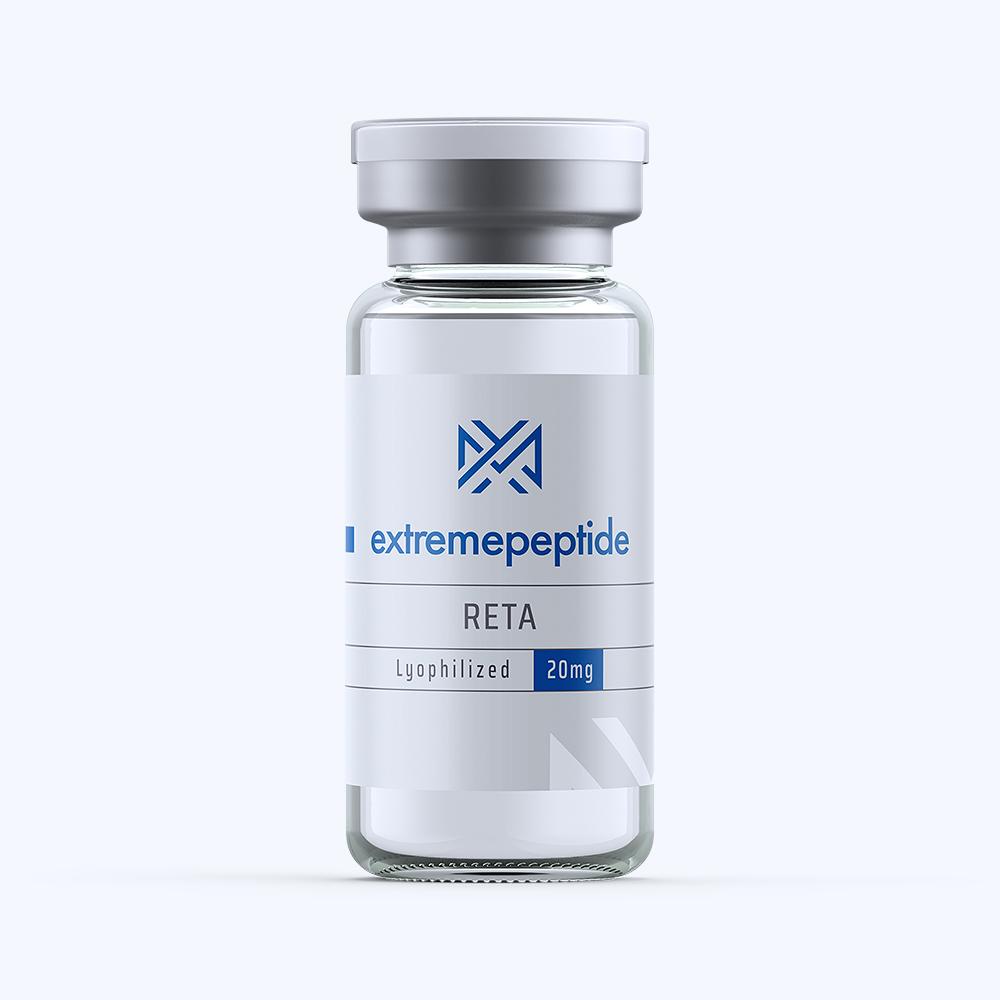
Reta (GLP-1/GIP/GCG) 20mg: Advanced Triple-Receptor Peptide for Metabolic Health Research
What Is Reta (GLP-1/GIP/GCG) 20mg?
Reta (GLP-1/GIP/GCG) 20mg, commonly associated with retatrutide research, is an innovative triple-receptor agonist designed to target three important metabolic pathways simultaneously: Glucagon-Like Peptide-1 (GLP-1), Glucose-Dependent Insulinotropic Polypeptide (GIP), and Glucagon (GCG) receptors. This next-generation peptide has gained significant attention within the scientific and medical communities due to its potential role in supporting weight management, metabolic function, and overall energy regulation.
Unlike traditional single-pathway therapies, Reta 20mg works through a multi-mechanism approach. By activating GLP-1, GIP, and glucagon receptors, it may help influence appetite control, glucose metabolism, energy expenditure, and fat utilization. This comprehensive action has positioned Reta as one of the most promising developments in the field of metabolic health research.
How Reta (GLP-1/GIP/GCG) 20mg Works
Triple-Receptor Activation Technology
Reta 20mg is designed to engage three metabolic receptors that play critical roles in maintaining energy balance and glucose regulation.
GLP-1 Receptor Activity
GLP-1 receptor activation is associated with appetite regulation and delayed gastric emptying. This pathway may help support feelings of fullness and reduce caloric intake, making it a key target in weight management research.
GIP Receptor Activity
GIP receptors are involved in insulin response and nutrient metabolism. By stimulating GIP pathways, Reta may contribute to improved metabolic efficiency and support healthy glucose utilization.
Glucagon Receptor Activity
The glucagon component distinguishes Reta from many other metabolic peptides. Activation of glucagon receptors may help increase energy expenditure and promote fat metabolism, potentially enhancing overall metabolic performance.
Together, these three pathways create a synergistic effect that has generated considerable interest among researchers studying obesity, metabolic syndrome, and related health conditions.
Potential Benefits of Reta (GLP-1/GIP/GCG) 20mg
Support for Weight Management
One of the most widely discussed areas of Reta research is its potential impact on body weight. Through appetite regulation and increased energy expenditure, Reta may help support comprehensive weight management strategies.
Enhanced Metabolic Function
By influencing multiple metabolic pathways simultaneously, Reta has demonstrated potential for improving overall metabolic health. Researchers continue to investigate its effects on glucose control, insulin sensitivity, and energy balance.
Appetite Regulation
Reta’s GLP-1 activity may help reduce hunger signals and support satiety. This mechanism can contribute to healthier eating patterns and improved adherence to nutrition-focused wellness programs.
Energy Utilization Support
The glucagon receptor component may help increase caloric expenditure and encourage the body to utilize stored energy more efficiently. This unique feature differentiates Reta from many conventional metabolic peptides.
Why Reta 20mg Is Generating Industry Attention
A Next-Generation Metabolic Peptide
The peptide research industry has increasingly focused on multi-target therapies that address complex metabolic challenges. Reta 20mg represents an advanced approach by combining three complementary mechanisms into a single compound.
Research and Clinical Interest
Reta has become a subject of extensive clinical investigation due to promising findings related to weight reduction and metabolic improvements. Its triple-agonist design has positioned it as a potential advancement beyond traditional GLP-1-only therapies.
Comprehensive Metabolic Approach
Rather than targeting a single biological pathway, Reta aims to support multiple aspects of metabolic regulation. This broader strategy may provide advantages for individuals seeking more comprehensive metabolic support solutions.
Quality and Storage Considerations
Product Quality
When sourcing Reta (GLP-1/GIP/GCG) 20mg, quality assurance should be a top priority. Reputable suppliers typically provide purity testing, manufacturing standards documentation, and proper handling procedures to ensure product integrity.
Proper Storage
To maintain peptide stability, Reta products should be stored according to manufacturer recommendations. Appropriate temperature control, protection from excessive heat, and proper reconstitution practices can help preserve product quality.
Professional Guidance
Individuals considering peptide-based products should consult qualified healthcare professionals for guidance regarding suitability, safety considerations, and current research developments.
Conclusion
Reta (GLP-1/GIP/GCG) 20mg represents a significant advancement in metabolic peptide research through its unique triple-receptor agonist technology. By targeting GLP-1, GIP, and glucagon receptors simultaneously, it offers a comprehensive approach to appetite regulation, metabolic function, energy expenditure, and weight management support. As scientific interest continues to grow, Reta remains one of the most closely watched innovations in the evolving field of metabolic health and peptide research.