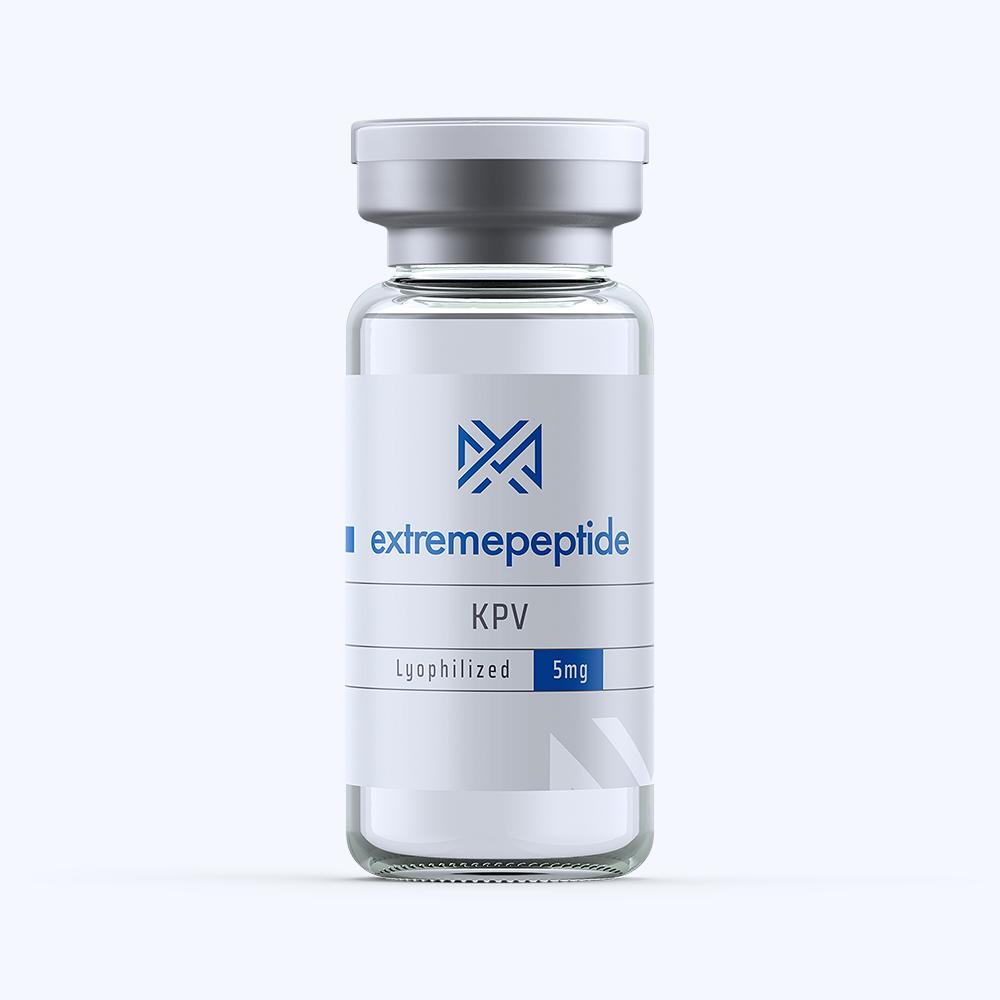
KPV
KPV (Key Process Variables) help organizations improve quality, optimize performance, reduce operational risks, and achieve continuous process improvement across industries.
H2: What Are KPV (Key Process Variables)?
Key Process Variables (KPV) are the critical factors within a process that directly influence the quality, consistency, efficiency, and overall performance of a product or service. These variables are carefully identified, monitored, and controlled to ensure that operations remain stable and deliver the desired outcomes.
In manufacturing, healthcare, logistics, and many other industries, KPVs serve as essential indicators of process health. They provide valuable insights into how a process is functioning and help organizations detect deviations before they become major problems.
By focusing on the most impactful variables, businesses can improve productivity, minimize waste, and maintain high standards of quality. Effective KPV management enables organizations to make data-driven decisions that support long-term growth and operational success.
H2: Why KPV Is Important for Business Success
The importance of KPV lies in its ability to identify the factors that have the greatest influence on process outcomes. Without proper monitoring of these variables, organizations may experience inconsistencies, quality defects, increased costs, and customer dissatisfaction.
H3: Improved Quality Control
One of the primary benefits of KPV is enhanced quality control. By tracking critical process variables, organizations can maintain product consistency and reduce defects. This leads to greater customer satisfaction and stronger brand reputation.
H3: Increased Operational Efficiency
When key variables are continuously monitored, inefficiencies can be identified and corrected quickly. This helps reduce downtime, optimize resource utilization, and improve overall productivity.
H3: Better Decision-Making
KPVs provide measurable data that supports informed decision-making. Managers and process engineers can use this information to implement improvements and achieve strategic business objectives.
H3: Reduced Risk and Costs
Monitoring critical variables helps organizations identify potential issues before they escalate into costly failures. This proactive approach reduces operational risks and improves profitability.
H2: Key Components of Effective KPV Management
Successful KPV implementation requires a structured approach that combines data analysis, process understanding, and continuous monitoring.
H3: Identification of Critical Variables
The first step is determining which variables have the greatest impact on process outcomes. These may include temperature, pressure, speed, cycle time, material quality, or other process-specific factors.
H3: Data Collection and Monitoring
Reliable data collection systems are essential for accurate KPV tracking. Modern organizations often use automation, sensors, and analytics platforms to gather real-time information.
H3: Performance Analysis
Collected data should be analyzed regularly to identify trends, variations, and improvement opportunities. Advanced analytics tools can help organizations gain deeper insights into process behavior.
H3: Continuous Improvement
KPV management is not a one-time activity. Organizations should continuously review and optimize their processes to achieve higher levels of efficiency and quality.
H2: Best Practices for Optimizing KPV Performance
To maximize the benefits of Key Process Variables, organizations should adopt proven best practices that support sustainable performance improvements.
H4: Establish Clear Performance Goals
Define measurable objectives for each key process variable. Clear goals help teams focus on desired outcomes and track progress effectively.
H4: Use Real-Time Monitoring Systems
Real-time monitoring enables faster detection of process deviations and allows immediate corrective action. This reduces the risk of quality issues and production delays.
H4: Train Employees Effectively
Employees play a critical role in process management. Proper training ensures that team members understand the importance of KPVs and how to respond to performance changes.
H4: Leverage Data Analytics
Advanced analytics and reporting tools can uncover hidden patterns and provide actionable insights that support continuous process optimization.
H4: Conduct Regular Process Reviews
Periodic reviews help organizations evaluate performance, identify improvement opportunities, and ensure alignment with business objectives.
H2: The Future of KPV in Modern Industries
As digital transformation continues to reshape industries, the role of KPV is becoming increasingly important. Technologies such as artificial intelligence, machine learning, predictive analytics, and Industrial Internet of Things (IIoT) are enabling organizations to monitor and optimize process variables with unprecedented accuracy.
Modern businesses are leveraging smart systems to predict process failures, automate decision-making, and improve operational efficiency. These innovations are helping organizations achieve higher productivity while maintaining strict quality standards.
In an increasingly competitive marketplace, effective KPV management provides a significant advantage. Organizations that prioritize Key Process Variables can enhance quality, reduce costs, improve customer satisfaction, and build a foundation for long-term success.
Conclusion
KPV (Key Process Variables) are essential for achieving operational excellence, quality assurance, and continuous improvement. By identifying, monitoring, and optimizing critical process variables, organizations can improve performance, minimize risks, and drive sustainable growth. Businesses that invest in effective KPV management are better positioned to adapt to changing market demands and maintain a competitive edge in their industry.