Thymosin Alpha-1: The Immune-Modulating Peptide Transforming Modern Healthcare
Focus Keywords
- Thymosin Alpha-1
- Thymosin Alpha-1 peptide
- Thymosin Alpha-1 benefits
- Thymosin Alpha-1 therapy
- Immune system support
- Immune modulation
- Peptide therapy
- Thymosin Alpha-1 uses
- Immune health
- Thymosin Alpha-1 research
- Immunotherapy peptide
- Advanced immune support
What Is Thymosin Alpha-1?
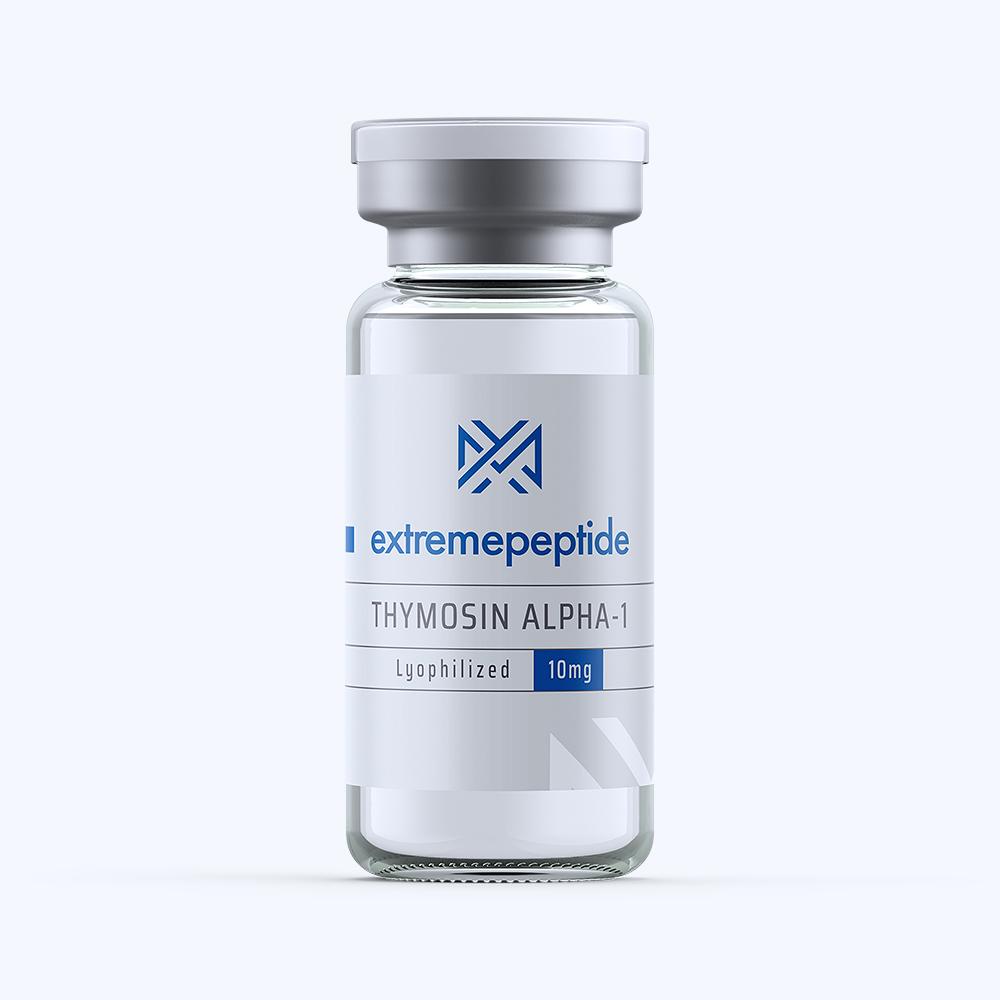
Thymosin Alpha-1 (Tα1) is a naturally occurring peptide that plays a critical role in regulating and strengthening the body’s immune system. Composed of 28 amino acids, this peptide is naturally produced by the thymus gland, an organ responsible for the development and maturation of T-cells, which are essential components of the adaptive immune response. Since its discovery, Thymosin Alpha-1 has gained significant attention within the fields of immunology, peptide therapy, and regenerative medicine due to its unique ability to support immune function while promoting immune balance.
Unlike conventional immune stimulants, Thymosin Alpha-1 acts as an immune modulator, helping the body maintain a healthy and effective immune response. Its ability to enhance immune surveillance and improve communication between immune cells has made it an important subject of scientific and clinical research worldwide.
How Thymosin Alpha-1 Supports Immune Function
T-Cell Development and Activation
One of the primary functions of Thymosin Alpha-1 is supporting the maturation and activation of T lymphocytes, commonly known as T-cells. These cells play a vital role in identifying and eliminating viruses, bacteria, and abnormal cells within the body. By enhancing T-cell activity, Thymosin Alpha-1 helps strengthen the body’s natural defense mechanisms and improves immune responsiveness.
Immune System Regulation
Thymosin Alpha-1 is recognized for its ability to regulate immune activity rather than simply increasing it. This distinction is important because an overactive immune system can be just as problematic as an underactive one. The peptide helps coordinate immune responses by influencing cytokine production and supporting communication between different immune cells. As a result, the immune system can respond more effectively to potential threats while maintaining overall balance.
Enhanced Immune Surveillance
Research indicates that Thymosin Alpha-1 may improve immune surveillance, enabling the body to better recognize and respond to foreign pathogens and abnormal cellular activity. This enhanced monitoring capability has contributed to growing interest in the peptide’s therapeutic applications across various medical disciplines.
Potential Benefits and Clinical Applications of Thymosin Alpha-1
Immune Health Support
One of the most recognized benefits of Thymosin Alpha-1 is its ability to support healthy immune function. Healthcare professionals and researchers have explored its use in situations where immune performance may be compromised, making it a valuable component of immune-focused therapeutic strategies.
Support During Viral Challenges
Thymosin Alpha-1 has been extensively studied for its role in supporting immune responses during viral infections. Its ability to promote T-cell activity and immune regulation has made it a subject of interest in the development of supportive treatment protocols designed to enhance the body’s natural defense mechanisms.
Adjunctive Therapy in Clinical Settings
In addition to immune support, Thymosin Alpha-1 has been investigated as an adjunctive therapy in various clinical environments. Researchers continue to evaluate its potential role alongside conventional treatments, particularly in patients requiring additional immune support during recovery or medical intervention.
Potential Role in Healthy Aging
As individuals age, immune function naturally declines, a process often referred to as immunosenescence. Emerging research suggests that Thymosin Alpha-1 may help support immune resilience and contribute to maintaining optimal immune performance as part of a healthy aging strategy.
Safety Profile, Research Developments, and Future Outlook
Clinical Research and Scientific Interest
Thymosin Alpha-1 has been the focus of extensive scientific investigation for decades. Numerous studies have explored its immunomodulatory properties, mechanisms of action, and potential therapeutic applications. This growing body of research continues to strengthen its reputation as one of the most promising peptides in modern immunology.
Safety Considerations
Clinical studies have generally demonstrated a favorable safety profile for Thymosin Alpha-1 when administered under appropriate medical supervision. As with any peptide-based therapy, treatment decisions should be guided by qualified healthcare professionals who can evaluate individual health needs and treatment goals.
The Future of Thymosin Alpha-1 Therapy
The future of Thymosin Alpha-1 appears highly promising as advancements in biotechnology and personalized medicine continue to evolve. Researchers are exploring innovative applications that may further expand its role in immune system support, regenerative medicine, and targeted therapeutic approaches. As scientific understanding deepens, Thymosin Alpha-1 is expected to remain a key focus in the development of next-generation immune health solutions.
Conclusion
Thymosin Alpha-1 stands out as a powerful immune-modulating peptide with significant potential in supporting immune health and optimizing immune system performance. Through its ability to enhance T-cell function, regulate immune responses, and promote effective immune surveillance, it has become a valuable subject of research and clinical interest. As ongoing studies continue to uncover new applications and benefits, Thymosin Alpha-1 is poised to play an increasingly important role in the future of peptide therapy and immune-focused healthcare