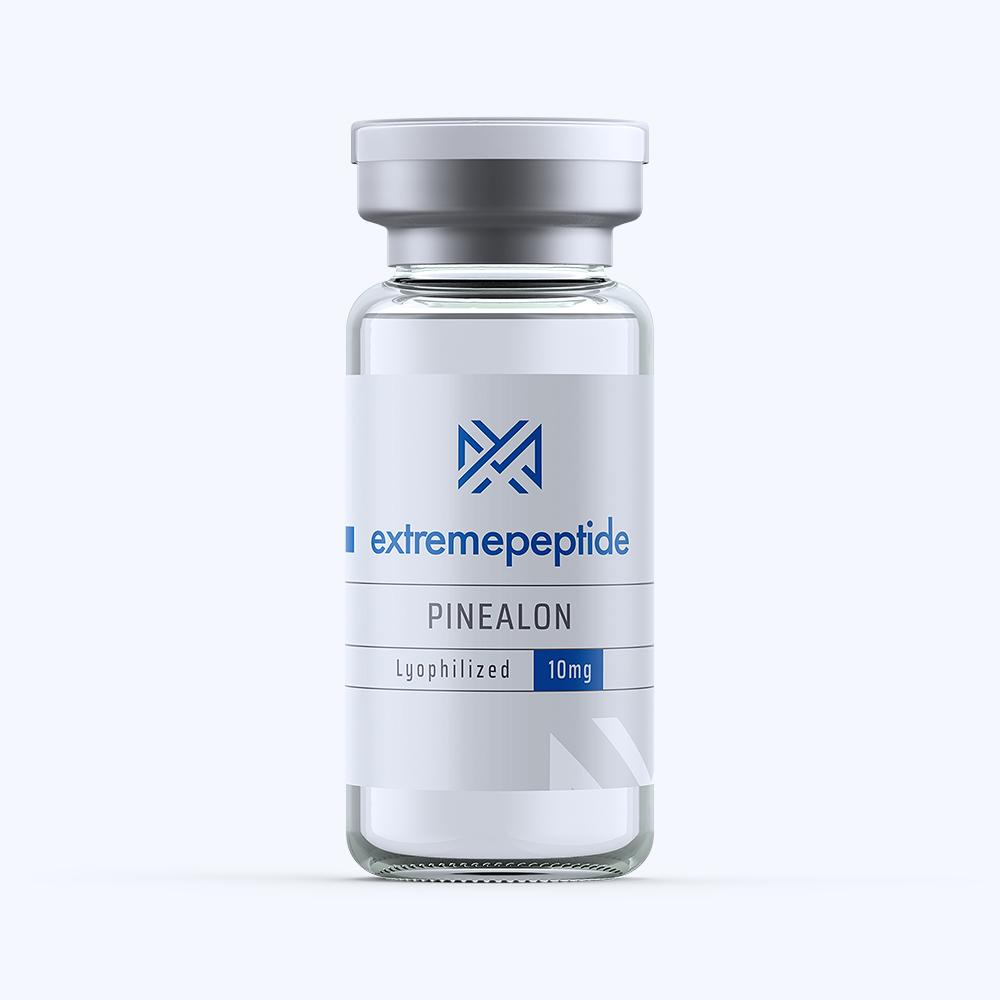
Pinealon: A Professional Overview of Its Potential Benefits, Mechanism, and Research
Heading 1: What Is Pinealon?
Pinealon is a synthetic peptide composed of three amino acids that has attracted attention in the fields of neuroscience, healthy aging, and cognitive support. Developed by researchers interested in peptide bioregulation, Pinealon is often discussed for its potential role in supporting brain function and cellular health. As a short peptide, it is designed to interact with biological processes that regulate gene expression and cellular communication.
The growing interest in peptide-based compounds has positioned Pinealon as a subject of ongoing scientific investigation. Researchers are exploring its potential influence on cognitive performance, neuroprotection, and age-related changes in the nervous system. While research continues, Pinealon is primarily recognized within scientific and wellness communities as a peptide with promising neurological applications.
For individuals interested in advanced peptide research, Pinealon represents a noteworthy area of study due to its potential ability to support healthy brain aging and cellular resilience.
Heading 2: How Pinealon Works
Pinealon is believed to function as a bioregulatory peptide, meaning it may help regulate cellular processes rather than acting as a conventional pharmaceutical agent. Scientific studies suggest that bioregulatory peptides can influence gene activity, protein synthesis, and cellular communication pathways.
One of the key areas of interest is Pinealon’s potential effect on neurons and brain tissue. Researchers have investigated whether the peptide can help maintain normal cellular function during aging and under conditions associated with oxidative stress. Oxidative stress is a natural process that can contribute to cellular damage over time and is often linked to cognitive decline and age-related neurological changes.
Additionally, Pinealon may support cellular repair mechanisms and promote the maintenance of healthy neural networks. These potential effects have made it a focus of research related to memory, concentration, and long-term cognitive health.
Although promising findings have emerged from preclinical studies, further human research is necessary to fully understand its mechanisms and long-term implications.
Heading 3: Potential Benefits of Pinealon
Cognitive Function Support
One of the most frequently discussed aspects of Pinealon is its potential role in supporting cognitive performance. Researchers have explored whether it may help maintain memory, learning capacity, and mental clarity, particularly in aging populations.
Neuroprotective Properties
Scientific investigations suggest that Pinealon may contribute to protecting neurons from age-related damage. By supporting cellular resilience, the peptide could play a role in maintaining healthy brain function over time.
Healthy Aging Support
Healthy aging remains a major focus in modern health research. Pinealon has been studied for its possible ability to support biological processes associated with longevity and cellular regeneration. Its bioregulatory properties may help promote more efficient cellular communication and function.
Cellular Health and DNA Regulation
Researchers have examined how Pinealon may influence gene expression and cellular repair pathways. These mechanisms are important for maintaining tissue integrity and supporting the body’s natural regenerative processes.
Potential Support for Brain Resilience
The peptide’s ability to interact with neurological pathways has generated interest in its potential to support resilience against age-related cognitive challenges. This area continues to be actively explored in scientific research.
Heading 4: Research, Safety, and Future Outlook
Research on Pinealon continues to evolve as scientists investigate its potential applications in neuroscience and longevity science. Various studies have highlighted its possible role in supporting neuronal health, regulating gene activity, and promoting healthy cellular function. However, much of the available evidence comes from laboratory and preclinical research, making additional clinical studies essential.
When evaluating any peptide compound, safety remains an important consideration. Individuals should consult qualified healthcare professionals before considering peptide-based interventions. Scientific understanding of Pinealon is still developing, and recommendations should be based on current evidence and professional medical guidance.
The future of Pinealon research appears promising due to increasing interest in peptide therapeutics and age-management science. As researchers gain a deeper understanding of its biological mechanisms, more information may emerge regarding its effectiveness, optimal applications, and long-term safety profile.
In conclusion, Pinealon is a fascinating bioregulatory peptide that has gained attention for its potential cognitive, neuroprotective, and healthy-aging benefits. While ongoing research continues to explore its capabilities, it remains an important topic within the broader field of peptide science. Its potential influence on brain health, cellular function, and age-related biological processes makes Pinealon a subject of significant scientific interest and future investigation.