Sale!
,

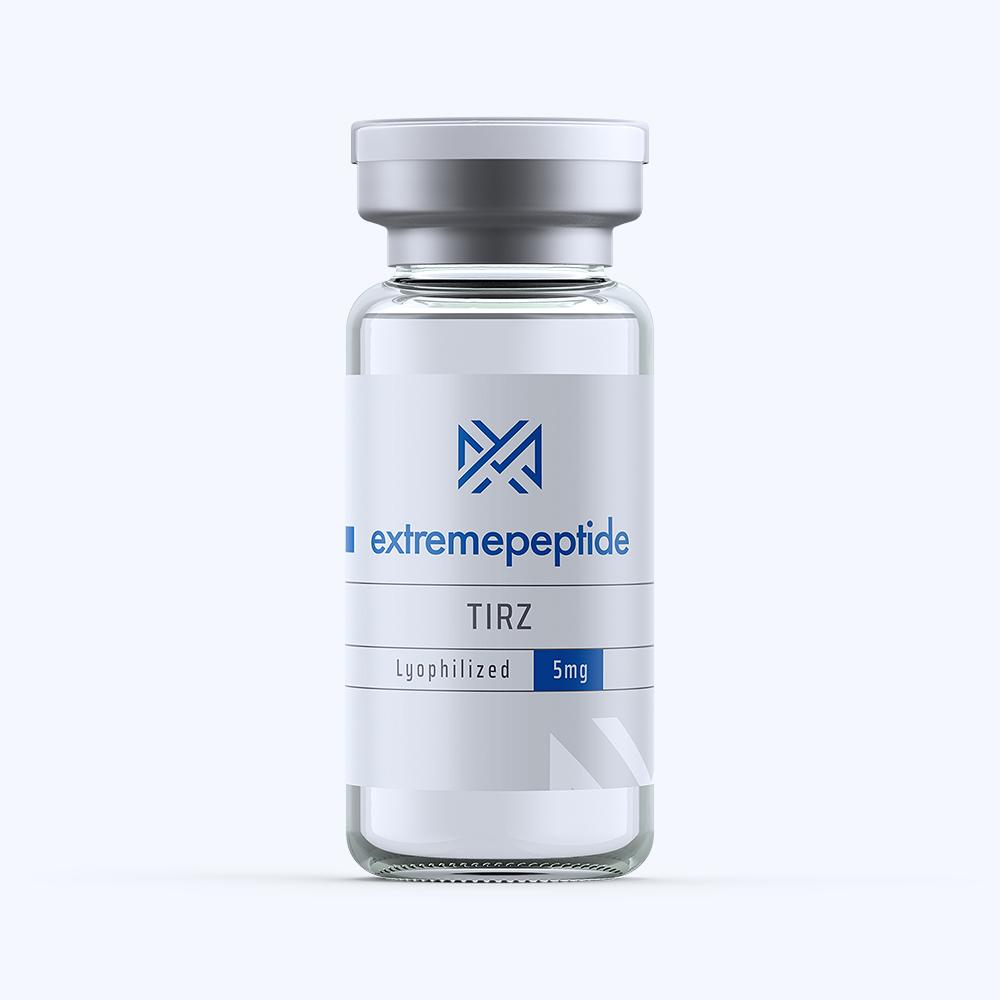
Tirz (GLP-1, GIP RA) 5mg

Original price was: $159.99.Current price is: $109.99.

& Free Shipping
SKU: EX401209-5MG Categories: ,
Guaranteed Safe Checkout

Tirz (Tirzepatide) 5mg – GLP-1 & GIP Receptor Agonist Overview

Introduction to Tirz (Tirzepatide)

Tirz (GLP-1, GIP RA) 5mg Tirz, commonly referring to Tirzepatide, is a novel dual-action medication that functions as both a GLP-1 (Glucagon-Like Peptide-1) and GIP (Glucose-Dependent Insulinotropic Polypeptide) receptor agonist. The 5mg dosage is one of the commonly prescribed starting or maintenance doses depending on clinical protocols. It is primarily used in the management of type 2 diabetes mellitus and is also widely studied for its significant effects on weight reduction and metabolic health improvement.

Unlike traditional single-pathway GLP-1 medications, Tirzepatide targets two incretin pathways, making it a more advanced therapeutic option in modern endocrinology Tirz (GLP-1, GIP RA) 5mg.


Mechanism of Action of Tirz 5mg

Tirzepatide works through a dual incretin receptor mechanism:

GLP-1 Receptor Activation

GLP-1 receptor stimulation helps:

  • Increase insulin secretion in a glucose-dependent manner
  • Reduce glucagon release
  • Slow gastric emptying
  • Promote satiety and reduce appetite

GIP Receptor Activation

The GIP pathway enhances:

  • Insulin sensitivity
  • Glucose metabolism efficiency
  • Fat metabolism regulation

Combined Dual Agonist Effect

The synergy between GLP-1 and GIP receptors results in:

  • Improved glycemic control
  • Reduced food intake
  • Enhanced weight loss outcomes
  • Better metabolic balance compared to single-pathway therapies

Clinical Benefits of Tirzepatide 5mg

Tirz 5mg is widely recognized for its multi-dimensional benefits in metabolic therapy:

Blood Sugar Regulation

It significantly helps patients with type 2 diabetes achieve stable blood glucose levels by improving insulin response and reducing post-meal glucose spikes.

Weight Management Support

One of the most notable effects of Tirzepatide is clinically significant weight reduction, making it a preferred option in obesity-related metabolic disorders.

Cardiometabolic Health Improvement

Studies indicate improvements in:

  • Waist circumference
  • Lipid profiles
  • Insulin resistance markers
  • Overall cardiovascular risk factors

Appetite and Craving Control

By acting on brain centers that regulate hunger, Tirzepatide helps reduce appetite and food cravings, supporting long-term dietary adherence.


Tirzepatide 5mg Dosage Overview

The 5mg dose is often used as:

  • A maintenance dose after initial titration
  • A therapeutic level for ongoing glycemic and weight management
  • A balance point between efficacy and tolerability in many patients

Dose adjustments are typically guided by healthcare professionals based on individual response, tolerance, and treatment goals.

It is important to note that Tirzepatide is administered via subcutaneous injection, usually on a weekly schedule.


Safety Profile and Considerations

While Tirzepatide offers strong therapeutic benefits, it may also present potential side effects, including:

Common Effects

  • Nausea
  • Mild gastrointestinal discomfort
  • Reduced appetite
  • Occasional vomiting or diarrhea

Important Considerations

  • Not recommended for individuals with a history of certain endocrine tumors
  • Requires medical supervision for dose adjustments
  • Should be used cautiously in patients with gastrointestinal disorders

Patients are advised to follow prescribed guidelines and maintain regular medical follow-ups during therapy.


Role of Tirzepatide in Modern Metabolic Treatment

Tirz 5mg represents a significant advancement in metabolic medicine. Its dual incretin mechanism sets it apart from older therapies, offering enhanced efficacy in both glycemic control and weight reduction.

Healthcare providers increasingly consider Tirzepatide as part of comprehensive treatment strategies for:

  • Type 2 diabetes management
  • Obesity and overweight conditions
  • Metabolic syndrome support

Its growing clinical adoption reflects its strong evidence base and therapeutic versatility.


Conclusion

Tirz (Tirzepatide) 5mg is a cutting-edge GLP-1 and GIP receptor agonist that provides powerful metabolic benefits, particularly in blood sugar control and weight management. Its dual-action mechanism makes it one of the most advanced treatment options available in modern endocrinology. With proper medical supervision, it offers a promising solution for individuals seeking improved metabolic health outcomes.
CID

168009818

CAS

2023788-19-2

InChI

InChI=1S/C225H348N48O68/c1-23-126(10)183(264-198(311)146(64-50-52-88-226)246-202(315)157(109-180(297)298)252-199(312)152(103-124(6)7)261-223(337)225(21, 22)269-217(330)185(128(12)25-3)266-209(322)163(120-278)257-200(313)153(107-138-74-78-141(282)79-75-138)250-203(316)158(110-181(299)300)253-207(320)162(119-277)259-216(329)187(134(18)280)267-206(319)155(106-136-60-44-41-45-61-136)254-215(328)186(133(17)279)262-174(289)114-237-193(306)147(83-87-179(295)296)260-222(336)224(19, 20)268-192(305)143(227)104-137-72-76-140(281)77-73-137)214(327)242-131(15)190(303)244-148(80-84-168(228)283)196(309)245-145(65-51-53-89-231-175(290)121-340-100-99-339-97-91-233-176(291)122-341-101-98-338-96-90-232-170(285)86-82-150(221(334)335)243-171(286)70-46-38-36-34-32-30-28-26-27-29-31-33-35-37-39-47-71-178(293)294)195(308)240-130(14)191(304)248-154(105-135-58-42-40-43-59-135)205(318)263-182(125(8)9)212(325)247-149(81-85-169(229)284)197(310)251-156(108-139-111-234-144-63-49-48-62-142(139)144)201(314)249-151(102-123(4)5)204(317)265-184(127(11)24-2)213(326)241-129(13)189(302)236-112-172(287)235-115-177(292)270-92-54-66-164(270)210(323)258-161(118-276)208(321)256-160(117-275)194(307)238-113-173(288)239-132(16)218(331)272-94-56-68-166(272)220(333)273-95-57-69-167(273)219(332)271-93-55-67-165(271)211(324)255-159(116-274)188(230)301/h40-45, 48-49, 58-63, 72-79, 111, 123-134, 143, 145-167, 182-187, 234, 274-282H, 23-39, 46-47, 50-57, 64-71, 80-110, 112-122, 226-227H2, 1-22H3, (H2, 228, 283)(H2, 229, 284)(H2, 230, 301)(H, 231, 290)(H, 232, 285)(H, 233, 291)(H, 235, 287)(H, 236, 302)(H, 237, 306)(H, 238, 307)(H, 239, 288)(H, 240, 308)(H, 241, 326)(H, 242, 327)(H, 243, 286)(H, 244, 303)(H, 245, 309)(H, 246, 315)(H, 247, 325)(H, 248, 304)(H, 249, 314)(H, 250, 316)(H, 251, 310)(H, 252, 312)(H, 253, 320)(H, 254, 328)(H, 255, 324)(H, 256, 321)(H, 257, 313)(H, 258, 323)(H, 259, 329)(H, 260, 336)(H, 261, 337)(H, 262, 289)(H, 263, 318)(H, 264, 311)(H, 265, 317)(H, 266, 322)(H, 267, 319)(H, 268, 305)(H, 269, 330)(H, 293, 294)(H, 295, 296)(H, 297, 298)(H, 299, 300)(H, 334, 335)

InChIKey

BTSOGEDATSQOAF-UHFFFAOYSA-N

Canonical SMILES

CCC(C)C(C(=O)NC(C)C(=O)NC(CCC(=O)N)C(=O)NC(CCCCNC(=O)COCCOCCNC(=O)COCCOCCNC(=O)CCC(C(=O)O)NC(=O)CCCCCCCCCCCCCCCCCCC(=O)O)C(=O)NC(C)C(=O)NC(CC1=CC=CC=C1)C(=O)NC(C(C)C)C(=O)NC(CCC(=O)N)C(=O)NC(CC2=CNC3=CC=CC=C32)C(=O)NC(CC(C)C)C(=O)NC(C(C)CC)C(=O)NC(C)C(=O)NCC(=O)NCC(=O)N4CCCC4C(=O)NC(CO)C(=O)NC(CO)C(=O)NCC(=O)NC(C)C(=O)N5CCCC5C(=O)N6CCCC6C(=O)N7CCCC7C(=O)NC(CO)C(=O)N)NC(=O)C(CCCCN)NC(=O)C(CC(=O)O)NC(=O)C(CC(C)C)NC(=O)C(C)(C)NC(=O)C(C(C)CC)NC(=O)C(CO)NC(=O)C(CC8=CC=C(C=C8)O)NC(=O)C(CC(=O)O)NC(=O)C(CO)NC(=O)C(C(C)O)NC(=O)C(CC9=CC=CC=C9)NC(=O)C(C(C)O)NC(=O)CNC(=O)C(CCC(=O)O)NC(=O)C(C)(C)NC(=O)C(CC1=CC=C(C=C1)O)N

IUPAC Name

20-[[4-[2-[2-[2-[2-[2-[2-[[5-[[5-amino-2-[2-[[2-[[6-amino-2-[[2-[[2-[[2-[[2-[[2-[[2-[[2-[[2-[[2-[[2-[[2-[[2-[[2-[[2-[[2-amino-3-(4-hydroxyphenyl)propanoyl]amino]-2-methylpropanoyl]amino]-4-carboxybutanoyl]amino]acetyl]amino]-3-hydroxybutanoyl]amino]-3-phenylpropanoyl]amino]-3-hydroxybutanoyl]amino]-3-hydroxypropanoyl]amino]-3-carboxypropanoyl]amino]-3-(4-hydroxyphenyl)propanoyl]amino]-3-hydroxypropanoyl]amino]-3-methylpentanoyl]amino]-2-methylpropanoyl]amino]-4-methylpentanoyl]amino]-3-carboxypropanoyl]amino]hexanoyl]amino]-3-methylpentanoyl]amino]propanoylamino]-5-oxopentanoyl]amino]-6-[[1-[[1-[[1-[[5-amino-1-[[1-[[1-[[1-[[1-[[2-[[2-[2-[[1-[[1-[[2-[[1-[2-[2-[2-[(1-amino-3-hydroxy-1-oxopropan-2-yl)carbamoyl]pyrrolidine-1-carbonyl]pyrrolidine-1-carbonyl]pyrrolidin-1-yl]-1-oxopropan-2-yl]amino]-2-oxoethyl]amino]-3-hydroxy-1-oxopropan-2-yl]amino]-3-hydroxy-1-oxopropan-2-yl]carbamoyl]pyrrolidin-1-yl]-2-oxoethyl]amino]-2-oxoethyl]amino]-1-oxopropan-2-yl]amino]-3-methyl-1-oxopentan-2-yl]amino]-4-methyl-1-oxopentan-2-yl]amino]-3-(1H-indol-3-yl)-1-oxopropan-2-yl]amino]-1, 5-dioxopentan-2-yl]amino]-3-methyl-1-oxobutan-2-yl]amino]-1-oxo-3-phenylpropan-2-yl]amino]-1-oxopropan-2-yl]amino]-6-oxohexyl]amino]-2-oxoethoxy]ethoxy]ethylamino]-2-oxoethoxy]ethoxy]ethylamino]-1-carboxy-4-oxobutyl]amino]-20-oxoicosanoic acid

Molecular Formula

C225H348N48O68

Molecular Weight

4813

Monoisotopic Mass

4810.5248574

Polar Area

1790

Complexity

11700

XLogP

-6.8

Heavy Atom Count

341

Hydrogen Bond Donor Count

58

Hydrogen Bond Acceptor Count

70

Rotatable Bond Count

163

Physical Appearance

Fine White Lyophilized Powder

Stability

Lyophilized protein is to be stored at -20°C. It is recommended to aliquot the reconstituted (dissolved) protein into several discrete vials in order to avoid repeated freezing and thawing. Reconstituted protein can be stored at 4°C