GHK-Cu Peptide: Comprehensive Overview, Benefits, and Scientific Insights
H1: What is GHK-Cu?
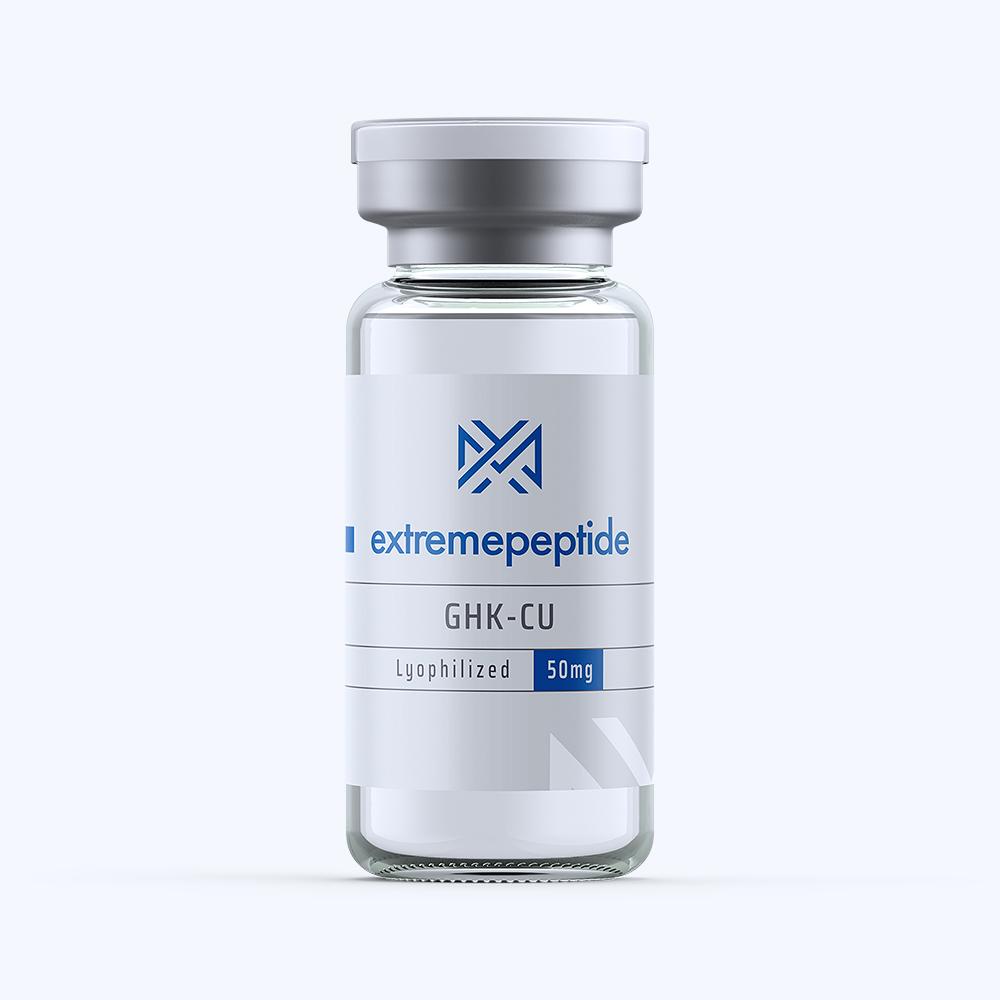
GHK-Cu, also known as Glycyl-L-Histidyl-L-Lysine Copper, is a naturally occurring copper-binding peptide composed of three amino acids—glycine, histidine, and lysine—complexed with a copper ion. It is found in human plasma, saliva, and urine, and its levels tend to decline with age.
In scientific and cosmetic research, GHK-Cu has gained attention due to its potential role in tissue repair, skin regeneration, and anti-aging processes. It is widely studied in dermatology and regenerative medicine because of its ability to influence gene expression and support cellular healing mechanisms.
H2: How GHK-Cu Works in the Body
GHK-Cu functions primarily as a signaling molecule. Once bound to copper, it interacts with cells and helps regulate a variety of biological processes. Research suggests that it can:
- Promote collagen and glycosaminoglycan synthesis
- Support wound healing and tissue repair
- Reduce oxidative stress by regulating antioxidant enzymes
- Modulate inflammatory responses
- Influence gene expression related to skin and tissue regeneration
One of its most notable characteristics is its ability to “reset” or improve gene activity in aged cells, making them behave more like younger cells in certain experimental models.
H2: Potential Benefits of GHK-Cu
H3: Skin Rejuvenation and Anti-Aging Effects
GHK-Cu is most commonly associated with skincare and anti-aging formulations. Studies indicate it may help improve skin elasticity, reduce fine lines, and enhance overall skin texture. This is believed to occur through stimulation of collagen production and improved dermal structure.
Additionally, its antioxidant properties may help protect skin cells from environmental damage such as UV exposure and pollution.
H3: Wound Healing and Tissue Repair
Another well-researched area is wound healing. GHK-Cu has been shown in laboratory studies to accelerate the repair of damaged skin by:
- Enhancing blood vessel formation (angiogenesis)
- Increasing fibroblast activity
- Supporting extracellular matrix remodeling
These effects contribute to faster and potentially more effective healing of minor injuries and skin damage.
H3: Hair Growth Support
Some cosmetic and dermatological studies suggest that GHK-Cu may stimulate hair follicle activity and improve hair thickness. It is believed to extend the growth phase of hair cycles and improve scalp health, although more human clinical evidence is still needed.
H3: Anti-Inflammatory and Antioxidant Activity
GHK-Cu has demonstrated the ability to reduce inflammation and oxidative stress in experimental models. By regulating inflammatory cytokines and enhancing antioxidant defense systems, it may help protect tissues from chronic damage associated with aging and environmental stressors.
H2: Scientific Research and Limitations
While GHK-Cu shows promising results in laboratory and small-scale clinical studies, it is important to note that research is still evolving. Most evidence comes from:
- In vitro (cell-based) studies
- Animal models
- Limited human clinical trials
This means that while the results are encouraging, they are not yet definitive for all claimed benefits. More large-scale, long-term human studies are required to fully confirm its effectiveness and safety profile in different applications.
H2: Applications in Cosmetics and Skincare
Due to its regenerative properties, GHK-Cu is commonly incorporated into:
- Anti-aging serums
- Skin repair creams
- Hair care formulations
- Post-procedure dermatological products
Its compatibility with the skin and relatively stable structure make it an attractive ingredient in modern cosmetic science. However, formulation quality and concentration can significantly influence results.
H2: Safety Considerations
GHK-Cu is generally considered well-tolerated in topical cosmetic applications. However, as with any bioactive compound, individual responses may vary. Possible mild reactions can include skin irritation in sensitive individuals.
It is important to differentiate between cosmetic use and experimental or systemic use, as safety profiles may differ depending on the method of application and concentration.
H1: Conclusion
GHK-Cu is a scientifically interesting copper peptide with significant potential in skin regeneration, wound healing, and anti-aging research. Its ability to influence gene expression and support cellular repair makes it a major focus in dermatology and cosmetic science.
However, while early findings are promising, GHK-Cu should still be viewed as an emerging compound rather than a fully established therapeutic solution. Continued research will determine its long-term effectiveness and broader medical applications.