GW501516 (Cardarine): A Professional Overview of Its Benefits, Risks, and Research Status
What Is GW501516?
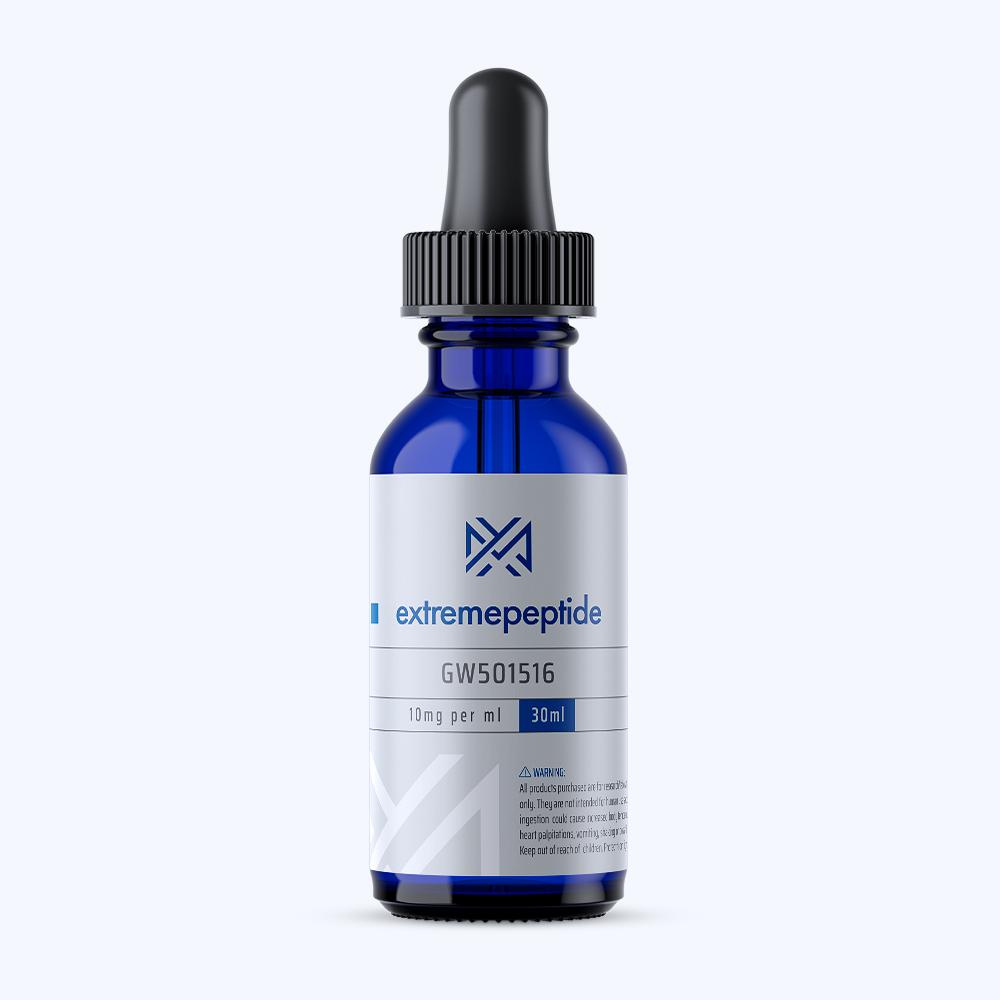
GW501516, commonly known as Cardarine, is a research compound that was originally developed to study metabolic function and endurance performance. It is not a selective androgen receptor modulator (SARM), although it is often grouped with SARMs in fitness discussions. Instead, GW501516 acts as a PPAR-delta (Peroxisome Proliferator-Activated Receptor Delta) agonist, influencing how the body utilizes energy and fatty acids.
Researchers initially investigated GW501516 for its potential role in improving lipid metabolism, increasing endurance capacity, and supporting metabolic health. Due to its unique mechanism of action, it gained significant attention among athletes, bodybuilders, and fitness enthusiasts seeking enhanced physical performance and fat-loss support.
However, despite its popularity in certain circles, GW501516 has never received approval for medical use, and its long-term safety profile remains a subject of concern.
How GW501516 Works
GW501516 activates the PPAR-delta pathway, a receptor involved in regulating energy expenditure and fat metabolism. When activated, this pathway may encourage the body to use fatty acids as a primary fuel source rather than relying heavily on carbohydrates.
Potential effects associated with PPAR-delta activation include:
- Increased fatty acid oxidation
- Enhanced endurance performance
- Improved metabolic efficiency
- Better lipid profile markers in research settings
- Increased energy utilization during exercise
Because of these characteristics, GW501516 became a topic of interest in both scientific research and sports performance communities.
Potential Benefits of GW501516
Although clinical development was discontinued, several studies highlighted potential benefits that contributed to its popularity.
Enhanced Endurance Performance
One of the most discussed aspects of GW501516 is its potential impact on endurance. Research suggested that activation of PPAR-delta could improve the body’s ability to sustain prolonged physical activity by optimizing energy utilization.
This endurance-enhancing effect led some athletes to view GW501516 as a performance-support compound, particularly in endurance-based sports.
Support for Fat Metabolism
GW501516 is frequently associated with fat-loss goals because of its influence on fatty acid oxidation. By encouraging the body to utilize stored fat for energy, it may contribute to improvements in body composition when combined with proper nutrition and exercise.
However, it is important to note that no compound can replace a well-structured diet and training program.
Potential Metabolic Benefits
Early research explored whether GW501516 could positively influence cholesterol and metabolic health markers. Some findings suggested improvements in HDL cholesterol levels and reductions in certain unfavorable lipid markers.
While these findings generated scientific interest, additional long-term research would have been necessary to establish safety and effectiveness for medical applications.
Risks and Safety Concerns
Cancer-Related Research Findings
The primary reason GW501516 remains controversial is the safety data that emerged during animal studies. Research identified an increased incidence of cancer development in laboratory animals exposed to the compound over extended periods.
These findings led to the discontinuation of its clinical development and significantly reduced enthusiasm for its therapeutic use.
Because of these concerns, many health professionals and regulatory organizations advise caution regarding GW501516.
Lack of Regulatory Approval
GW501516 is not approved by major health authorities for human use. As a result, products marketed as Cardarine may vary in quality, purity, and accuracy of labeling.
The absence of pharmaceutical-grade regulation increases the risk of contamination, incorrect dosing information, and inconsistent product quality.
Limited Human Data
While animal and laboratory studies provide valuable insights, comprehensive long-term human research on GW501516 remains limited. This lack of extensive human safety data makes it difficult to determine the full scope of potential health risks.
For this reason, experts generally recommend relying on evidence-based nutrition, exercise, and medically approved interventions rather than experimental compounds.
GW501516 in Sports and Anti-Doping Regulations
Prohibited in Competitive Sports
GW501516 is prohibited by the World Anti-Doping Agency (WADA). The compound has been associated with performance enhancement, particularly in endurance sports, making it a banned substance for competitive athletes.
Athletes who test positive for GW501516 may face disciplinary action, suspensions, or other sanctions under anti-doping regulations.
Why Athletes Should Be Cautious
Beyond regulatory concerns, athletes should consider the uncertainties surrounding long-term safety and product quality. Using unapproved performance-enhancing compounds may carry both health and career-related risks.
Conclusion
GW501516 (Cardarine) remains one of the most widely discussed research compounds in the performance and fitness industry. Its ability to influence fat metabolism and endurance performance generated substantial scientific and athletic interest. However, concerns arising from animal studies, the lack of regulatory approval, and limited long-term human safety data have prevented its development as an approved therapeutic agent.
For individuals seeking improved fitness, endurance, or body composition, evidence-based approaches such as structured training, balanced nutrition, adequate recovery, and professional medical guidance continue to offer the most reliable path to sustainable results.