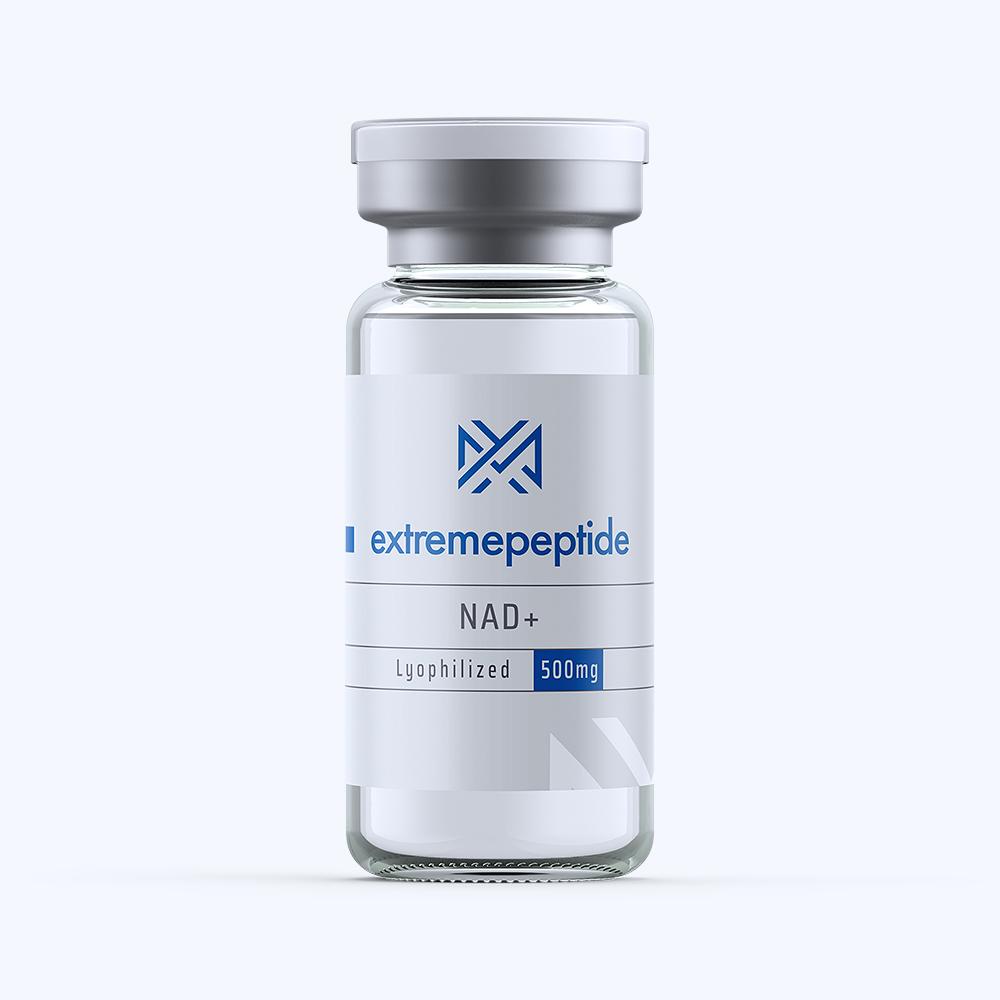
NAD+ (Nicotinamide Adenine Dinucleotide): The Essential Molecule for Cellular Energy and Healthy Aging
H1: What Is NAD+ and Why Is It Important?
NAD+ (Nicotinamide Adenine Dinucleotide) is a vital coenzyme found in every living cell of the human body. It plays a fundamental role in energy production, cellular repair, metabolism, and overall health maintenance. As one of the most important molecules involved in biological processes, NAD+ helps convert nutrients from food into usable cellular energy, allowing organs and tissues to function efficiently.
Scientists have increasingly focused on NAD+ because of its strong connection to healthy aging and cellular longevity. Research suggests that NAD+ levels naturally decline with age, which may contribute to reduced energy levels, slower cellular repair, and age-related health challenges. Maintaining optimal NAD+ levels has therefore become a major area of interest in the fields of wellness, anti-aging, and metabolic health.
H2: How Does NAD+ Work in the Body?
NAD+ serves as a critical coenzyme in hundreds of metabolic reactions throughout the body. Its primary function is to facilitate the transfer of electrons during cellular respiration, the process that converts food into adenosine triphosphate (ATP), the body’s main energy source.
Beyond energy production, NAD+ supports several essential biological functions, including:
- Cellular energy metabolism
- DNA repair and maintenance
- Mitochondrial function
- Cellular communication
- Gene expression regulation
- Oxidative stress management
NAD+ also activates important proteins known as sirtuins, often referred to as “longevity proteins.” These proteins help regulate inflammation, cellular stress responses, and metabolic efficiency, making NAD+ a key component in supporting overall wellness and healthy aging.
H3: Benefits of Maintaining Healthy NAD+ Levels
Maintaining adequate NAD+ levels may offer numerous health benefits. While ongoing research continues to explore its full potential, current findings suggest that NAD+ plays a significant role in promoting optimal cellular function.
1. Enhanced Energy Production
NAD+ is essential for ATP generation within mitochondria, often called the powerhouses of the cell. Healthy NAD+ levels support efficient energy production, which may contribute to improved vitality and reduced fatigue.
2. Support for Healthy Aging
As NAD+ levels decline naturally over time, cellular repair mechanisms become less efficient. Supporting NAD+ availability may help maintain healthy cellular function and promote longevity-related processes.
3. Improved Cognitive Function
The brain requires substantial energy to function effectively. NAD+ supports neuronal health, mitochondrial activity, and cellular resilience, which may contribute to cognitive performance and mental clarity.
4. DNA Repair and Cellular Protection
Daily exposure to environmental stressors can damage DNA. NAD+ helps activate enzymes responsible for DNA repair, supporting cellular integrity and long-term health.
5. Metabolic Health Support
NAD+ plays a central role in glucose metabolism, fat oxidation, and insulin sensitivity. Maintaining healthy NAD+ levels may contribute to overall metabolic efficiency and wellness.
H4: Factors That Can Reduce NAD+ Levels
Several factors may contribute to declining NAD+ levels, including:
- Natural aging processes
- Chronic stress
- Poor dietary habits
- Lack of physical activity
- Sleep deprivation
- Environmental toxins
- Chronic inflammation
Because NAD+ is continuously consumed during cellular processes, the body must constantly replenish its supply. When replenishment cannot keep pace with demand, NAD+ levels may gradually decrease.
Ways to Support NAD+ Naturally
There are several lifestyle strategies that may help support healthy NAD+ production and utilization:
Regular Exercise
Physical activity stimulates mitochondrial function and may encourage the body’s natural NAD+ synthesis pathways.
Quality Sleep
Adequate sleep supports cellular recovery and helps regulate metabolic processes associated with NAD+ production.
Balanced Nutrition
Foods rich in vitamin B3 (niacin), tryptophan, and other essential nutrients provide building blocks for NAD+ synthesis.
Calorie Management
Research suggests that certain dietary approaches, including intermittent fasting and calorie moderation, may influence NAD+ metabolism and activate longevity-related pathways.
NAD+ Precursors
Compounds such as Nicotinamide Riboside (NR) and Nicotinamide Mononucleotide (NMN) have gained attention for their potential to support NAD+ levels and cellular health.
Conclusion
NAD+ is one of the most important molecules in human biology, serving as a cornerstone of cellular energy production, DNA repair, metabolic function, and healthy aging. As scientific interest continues to grow, NAD+ remains a promising area of research for those seeking to support long-term wellness and optimal cellular performance. By maintaining healthy lifestyle habits and supporting natural NAD+ production, individuals may help preserve cellular function and promote overall health as they age.