Gonadorelin
Discover everything about Gonadorelin, including its mechanism of action, medical uses, benefits, and clinical applications. Learn how Gonadorelin therapy supports hormonal balance and reproductive health.
What Is Gonadorelin?
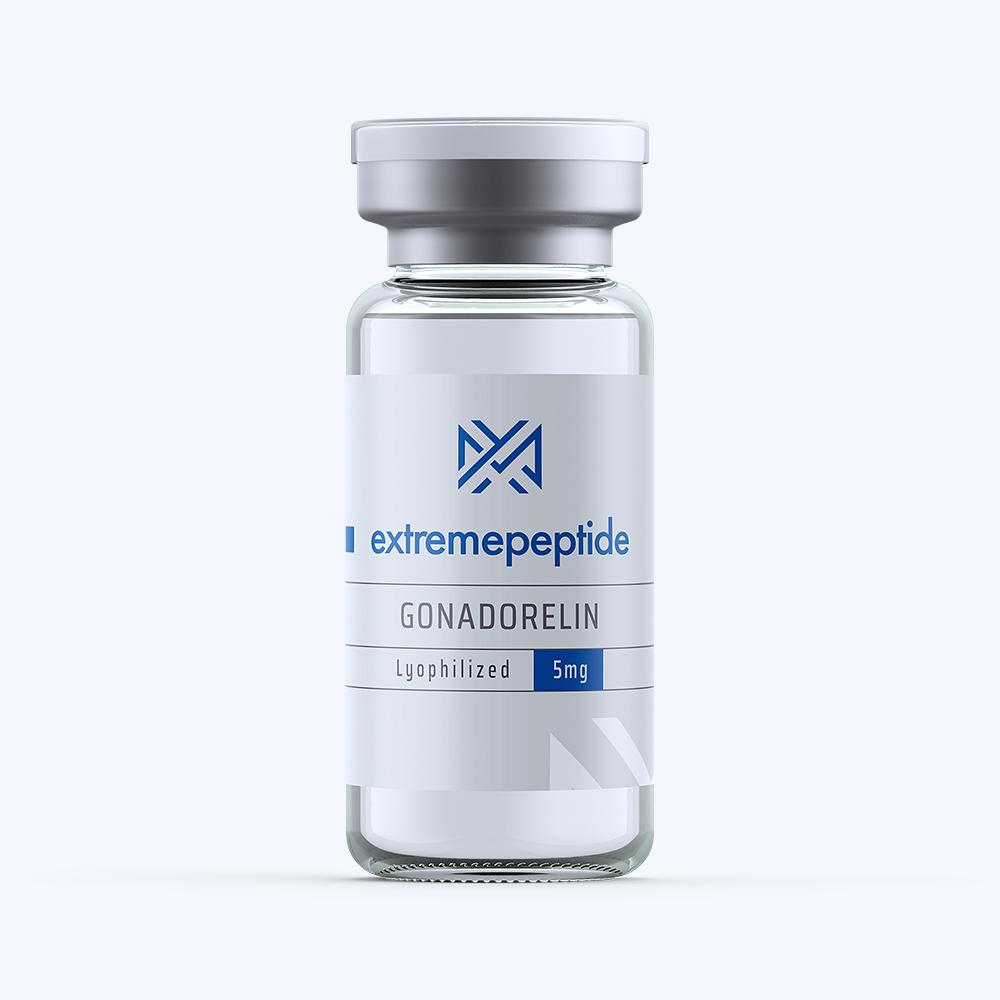
Gonadorelin is a synthetic form of the naturally occurring gonadotropin-releasing hormone (GnRH), a key hormone produced by the hypothalamus. This hormone plays a critical role in regulating the reproductive system by stimulating the pituitary gland to release luteinizing hormone (LH) and follicle-stimulating hormone (FSH). These hormones are essential for normal reproductive function, fertility, and hormone production in both men and women.
In modern medicine, Gonadorelin is used as a therapeutic agent to evaluate pituitary function, support fertility treatments, and help manage specific hormonal deficiencies. Due to its ability to influence the body’s natural hormone production pathways, Gonadorelin has become an important tool in endocrinology and reproductive medicine.
How Gonadorelin Works in the Body
Gonadorelin mimics the action of natural GnRH by binding to receptors in the anterior pituitary gland. Once activated, these receptors trigger the release of LH and FSH into the bloodstream. These hormones then act on the testes in men and the ovaries in women, promoting the production of sex hormones such as testosterone, estrogen, and progesterone.
The effectiveness of Gonadorelin therapy depends on the body’s responsiveness to GnRH stimulation. When administered appropriately, it can help restore normal hormonal signaling and support healthy reproductive function. Because it works through the body’s natural endocrine pathways, Gonadorelin is often considered a targeted and physiological approach to hormone regulation.
Key Benefits of Gonadorelin Therapy
Gonadorelin therapy offers several potential benefits for individuals experiencing hormonal imbalances or reproductive challenges. One of its primary advantages is its ability to stimulate the body’s natural production of reproductive hormones rather than directly replacing them.
H3: Supports Natural Testosterone Production
In men, Gonadorelin can promote the release of LH, which signals the testes to produce testosterone. This may help maintain hormonal balance while preserving natural endocrine function.
H3: Enhances Fertility Potential
By increasing both LH and FSH levels, Gonadorelin may support sperm production in men and ovulation in women, making it a valuable option in certain fertility treatment protocols.
H3: Assists in Hormonal Regulation
Gonadorelin helps regulate communication between the hypothalamus, pituitary gland, and reproductive organs. This coordinated hormonal signaling is essential for reproductive health and overall endocrine function.
H3: Diagnostic Applications
Healthcare professionals often use Gonadorelin in diagnostic testing to assess pituitary gland responsiveness and identify potential endocrine disorders.
H2: Medical Uses and Clinical Applications of Gonadorelin
Gonadorelin has several established medical applications within endocrinology and reproductive medicine.
H3: Fertility Treatment
Gonadorelin may be prescribed to individuals with hypothalamic dysfunction or specific fertility-related conditions. By stimulating natural hormone release, it can help support ovulation and reproductive processes.
H3: Endocrine Evaluation
Physicians use Gonadorelin stimulation tests to evaluate pituitary gland function. These tests help determine whether the pituitary is producing adequate levels of LH and FSH in response to GnRH stimulation.
H3: Hormone Optimization Programs
In some clinical settings, Gonadorelin is incorporated into hormone management protocols to support the body’s natural hormonal pathways. Treatment decisions should always be based on professional medical evaluation and individualized patient needs.
H3: Reproductive Health Management
Patients with certain reproductive hormone deficiencies may benefit from carefully monitored Gonadorelin therapy under the supervision of a qualified healthcare provider.
H2: Safety Considerations and Potential Side Effects
Like all medications and hormone-based therapies, Gonadorelin should be used under medical supervision. Most individuals tolerate treatment well when administered according to established clinical guidelines. However, some patients may experience mild side effects such as headaches, nausea, abdominal discomfort, flushing, or temporary injection-site reactions.
Regular monitoring of hormone levels and overall health is recommended throughout treatment. Healthcare providers may adjust dosage and treatment schedules based on individual responses and therapeutic goals.
H2: Conclusion
Gonadorelin is a valuable hormone therapy that plays an important role in reproductive medicine, fertility support, and endocrine evaluation. By mimicking the body’s natural gonadotropin-releasing hormone, it helps stimulate the production of LH and FSH, supporting healthy hormonal function and reproductive processes. Whether used for diagnostic purposes or therapeutic interventions, Gonadorelin remains a significant tool in modern healthcare. Individuals considering Gonadorelin therapy should consult a qualified medical professional to determine whether it is appropriate for their specific health needs and treatment objectives.