Kisspeptin-10: A Comprehensive Guide to Its Role, Benefits, and Research Applications
H1: What Is Kisspeptin-10?
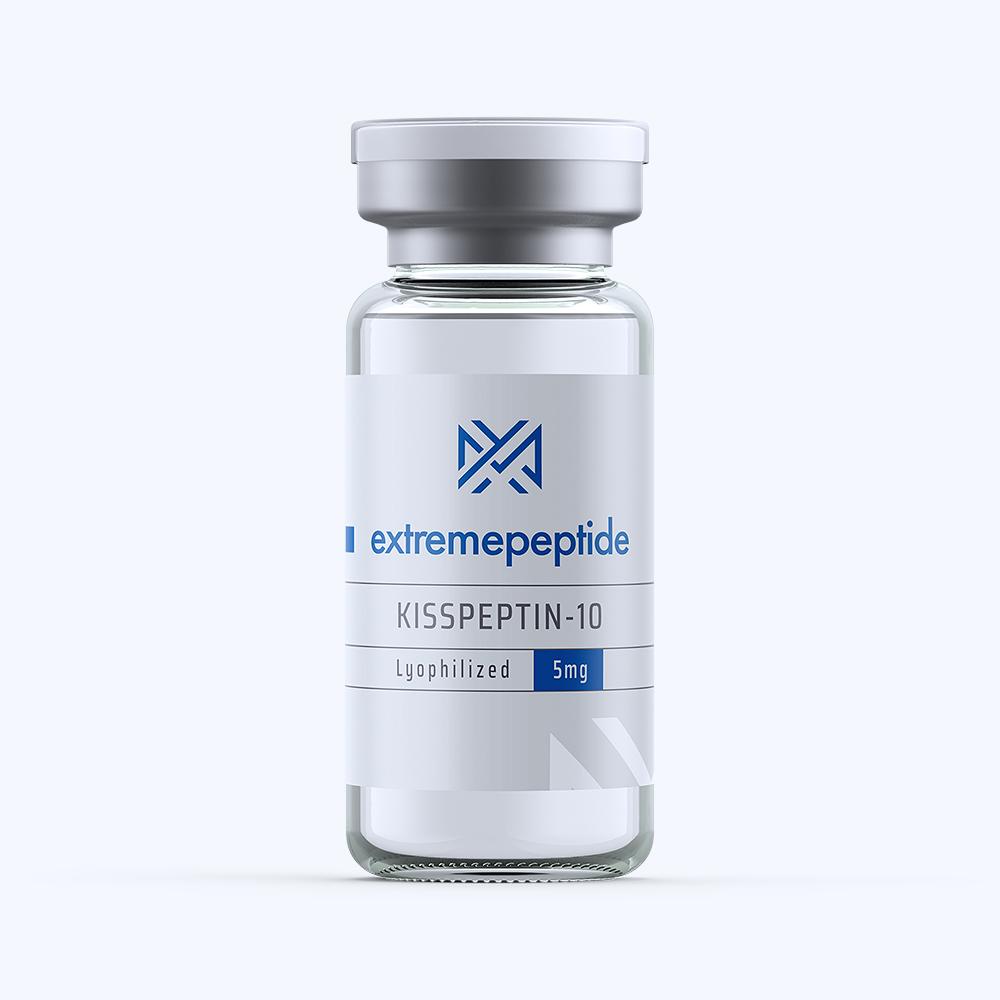
Kisspeptin-10 is a bioactive peptide derived from the larger kisspeptin protein, which is encoded by the KISS1 gene. It consists of 10 amino acids and is recognized as one of the most potent activators of the GPR54 receptor (also known as KISS1R). This interaction plays a critical role in regulating the reproductive endocrine system and maintaining hormonal balance.
Since its discovery, Kisspeptin-10 has become a major focus of scientific research due to its involvement in fertility, puberty onset, reproductive health, and hormone regulation. Researchers continue to investigate its potential therapeutic applications in reproductive medicine and endocrinology.
H2: How Kisspeptin-10 Works in the Body
Kisspeptin-10 functions primarily by stimulating the release of gonadotropin-releasing hormone (GnRH) from the hypothalamus. GnRH then signals the pituitary gland to release two essential reproductive hormones:
- Luteinizing Hormone (LH)
- Follicle-Stimulating Hormone (FSH)
These hormones regulate various reproductive processes in both men and women, including:
- Testosterone production
- Estrogen synthesis
- Ovulation
- Sperm development
- Sexual maturation
By acting as an upstream regulator of the reproductive hormone cascade, Kisspeptin-10 serves as a key mediator of fertility and reproductive function.
H2: Key Benefits of Kisspeptin-10
H3: Supports Reproductive Hormone Regulation
One of the primary benefits of Kisspeptin-10 is its ability to regulate hormone signaling within the hypothalamic-pituitary-gonadal (HPG) axis. Proper function of this system is essential for maintaining reproductive health and hormonal balance.
H3: Promotes Fertility Research
Kisspeptin-10 has gained significant attention in fertility studies because it naturally stimulates reproductive hormones without directly replacing them. Researchers are exploring its potential use in fertility treatments and assisted reproductive technologies.
H3: Influences Puberty and Sexual Development
Scientific studies have demonstrated that kisspeptin signaling is essential for the initiation of puberty. Defects in the KISS1/KISS1R pathway can lead to delayed or absent puberty, highlighting the peptide’s importance in developmental biology.
H3: Potential Role in Reproductive Disorders
Researchers are investigating Kisspeptin-10 as a potential target for conditions such as:
- Hypogonadotropic hypogonadism
- Infertility
- Polycystic ovary syndrome (PCOS)
- Reproductive hormone deficiencies
While findings are promising, additional clinical studies are needed to confirm long-term efficacy and safety.
H2: Scientific Research on Kisspeptin-10
Over the past two decades, numerous studies have explored the physiological effects of Kisspeptin-10. Research has consistently shown that administration of Kisspeptin-10 can increase circulating levels of LH and FSH, confirming its role as a powerful reproductive hormone regulator.
Scientists are particularly interested in its ability to:
- Trigger natural hormone release
- Support ovulation induction
- Improve understanding of reproductive endocrinology
- Investigate novel fertility treatment strategies
The growing body of evidence suggests that Kisspeptin-10 may represent an important advancement in reproductive medicine, although most applications remain within research and clinical settings.
H2: Kisspeptin-10 and Fertility Treatment Research
H3: Female Fertility Applications
In women, Kisspeptin-10 has been studied for its ability to induce ovulation and support assisted reproductive procedures. Researchers are examining whether it can offer a safer alternative to traditional hormone stimulation protocols.
Potential research areas include:
- Ovulation induction
- In vitro fertilization (IVF) support
- Management of ovulatory disorders
- Hormonal fertility assessment
H3: Male Reproductive Health
Kisspeptin-10 also influences testosterone production and sperm development through its effects on the HPG axis. Ongoing studies are evaluating its role in male fertility and reproductive hormone regulation.
Areas of investigation include:
- Testosterone regulation
- Sperm production
- Hormonal dysfunction
- Male infertility research
H2: Safety and Research Considerations
Current research indicates that Kisspeptin-10 is generally well tolerated in controlled clinical studies. However, because it directly influences reproductive hormone pathways, its use should be limited to appropriately supervised research and medical settings.
Important considerations include:
- Individual hormonal responses may vary.
- Long-term effects require further investigation.
- Clinical applications are still evolving.
- Professional medical oversight is essential in therapeutic settings.
As scientific understanding expands, researchers will continue to evaluate optimal dosing strategies, safety profiles, and potential therapeutic uses.
H2: Future Outlook for Kisspeptin-10
The future of Kisspeptin-10 research appears highly promising. Its unique ability to stimulate natural reproductive hormone release makes it an attractive subject for fertility, endocrinology, and reproductive health research.
Emerging areas of interest include:
- Advanced fertility treatments
- Hormonal disorder management
- Personalized reproductive medicine
- Novel endocrine therapies
As new clinical data become available, Kisspeptin-10 may play an increasingly important role in addressing reproductive health challenges and improving patient outcomes.
H2: Conclusion
Kisspeptin-10 is a powerful peptide that plays a central role in regulating reproductive hormones through activation of the KISS1R signaling pathway. By stimulating GnRH release and supporting the hypothalamic-pituitary-gonadal axis, it contributes to fertility, sexual development, and overall reproductive function. Ongoing scientific research continues to explore its potential applications in fertility treatments, hormone regulation, and reproductive medicine, making it one of the most important peptides in modern endocrinology research.