Cagrilintide (Amylin Analog) – Comprehensive Guide, Benefits, and Scientific Overview
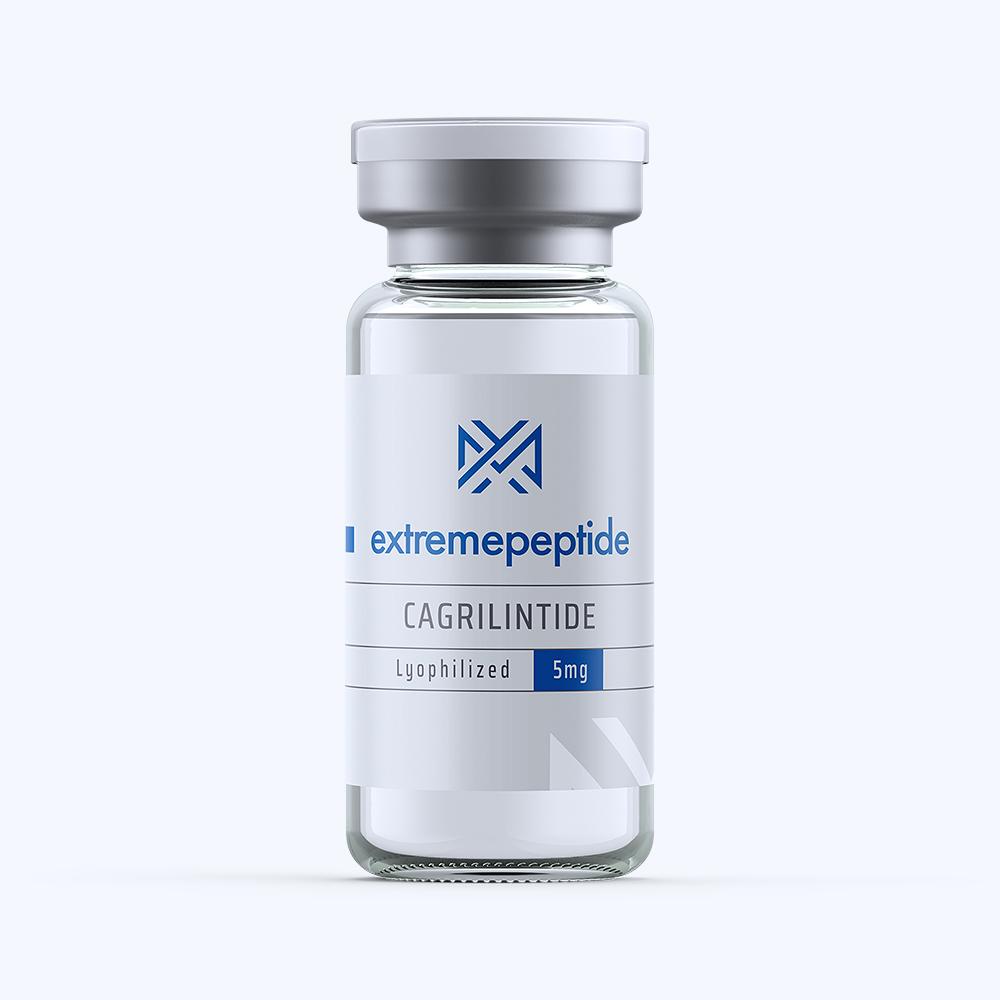
Cagrilintide is an emerging investigational compound gaining significant attention in metabolic research and weight management science. It belongs to a class of long-acting amylin analogs, designed to mimic the natural hormone amylin, which plays a key role in regulating appetite, gastric emptying, and post-meal glucose control. Originally developed by pharmaceutical research programs exploring obesity and type 2 diabetes treatments, Cagrilintide is often studied alone or in combination with GLP-1 receptor agonists for enhanced metabolic effects.
This article provides a professional, SEO-optimized overview of Cagrilintide, including its mechanism of action, potential benefits, side effects, and research status.
H2: What Is Cagrilintide?
Cagrilintide is a synthetic long-acting analog of amylin, a peptide hormone co-secreted with insulin from pancreatic beta cells. Amylin naturally helps regulate:
- Appetite suppression
- Gastric emptying rate
- Postprandial blood glucose levels
Unlike native amylin, which breaks down quickly in the body, Cagrilintide is structurally modified to have an extended half-life, allowing for once-weekly or infrequent dosing in clinical research settings.
It has been studied most notably in combination therapies, such as with semaglutide, to enhance weight loss outcomes in obesity management trials.
H2: Mechanism of Action of Cagrilintide
Cagrilintide works primarily by mimicking amylin activity in the central nervous system and gastrointestinal tract. Its main mechanisms include:
H3: 1. Appetite Regulation
Cagrilintide acts on brain regions involved in satiety, particularly the hypothalamus, helping reduce hunger signals and caloric intake.
H3: 2. Delayed Gastric Emptying
By slowing the movement of food from the stomach to the small intestine, it promotes prolonged fullness after meals, reducing overeating.
H3: 3. Glucose Control Support
It helps stabilize post-meal blood glucose levels by moderating digestion speed and insulin response synergy.
H2: Potential Benefits of Cagrilintide
Although still under clinical investigation, Cagrilintide has demonstrated several promising effects in early trials:
H3: Weight Reduction Support
One of the most notable benefits is its ability to promote significant weight loss when used alone or in combination therapies. Clinical studies suggest enhanced fat reduction compared to single-agent treatments.
H3: Improved Satiety
Patients or trial participants often report reduced hunger levels and improved control over food intake.
H3: Synergistic Effects with GLP-1 Agonists
When combined with medications like semaglutide, Cagrilintide may amplify metabolic effects, leading to greater reductions in body weight and improved metabolic markers.
H3: Metabolic Health Improvement
Potential improvements include better insulin sensitivity, reduced fasting glucose levels, and improved lipid profiles.
H2: Side Effects and Safety Profile
As with most peptide-based therapies under investigation, Cagrilintide may produce side effects, particularly during initial exposure.
Commonly reported effects include:
- Nausea
- Vomiting
- Reduced appetite (expected pharmacological effect)
- Mild gastrointestinal discomfort
These effects are typically dose-dependent and may diminish over time. Since Cagrilintide is still in research stages in many regions, its long-term safety profile has not been fully established.
H2: Research Status and Clinical Development
Cagrilintide is currently being evaluated in clinical trials focusing on obesity and metabolic disorders. Researchers are particularly interested in its combination therapy potential, especially with GLP-1 receptor agonists for enhanced weight management strategies.
While not yet widely approved for general medical use, its promising trial results have positioned it as a potential next-generation anti-obesity agent in the pharmaceutical pipeline.
H2: Conclusion
Cagrilintide represents a cutting-edge advancement in metabolic research, particularly in the treatment of obesity and appetite regulation disorders. By mimicking the natural hormone amylin with extended activity, it offers a novel approach to appetite control, weight loss, and metabolic improvement. Although still under clinical investigation, its potential in combination therapies continues to attract significant scientific interest.
As research progresses, Cagrilintide may become an important component in future obesity treatment protocols, especially when used alongside GLP-1-based therapies.